

For leaders whose people are engaged, hardworking and still working around each other: where that costs the business, and where the work on it can begin.
Decisions take longer when the real conversation happens after the meeting. Managers spend hours mediating tension nobody will address directly. Work gets redone because expectations were unclear, and people put their attention into managing personalities instead of clients and customers. Each workaround looks manageable on its own. An engagement score may not show any of them.
The cost has been measured. In the Society for Human Resource Management’s Q2 2025 Civility Index, US workers who had experienced or witnessed incivility at work reported losing an average of 36 minutes of productivity per act. A year later, SHRM’s workplace score for the second quarter of 2026 was the highest it had recorded since the index began in 2024, on a scale that rises as incivility becomes more common.
Shelley Davis Boyd, Founder, President & CEO of Essdee & Co., works on the part of the problem a survey of how people feel can miss. Her firm helps organizations strengthen culture, communication and accountability through keynote speaking, customized leadership development and executive coaching. The keynotes she is building her practice around introduce a framework she created, The Civility Code™, which she describes as a practical, emotionally intelligent framework that helps teams build cultures where respect and accountability coexist.
“An organization can have highly engaged employees and still have serious civility problems,” she says.
Why Civility, and Not Engagement
Shelley draws the lines between the three words carefully. “Engagement tells an organization something about how people feel about their work and their connection to the organization,” she says. Culture reflects the values, expectations and patterns that shape how work gets done. Civility is where both become visible, in the everyday behaviors that either support or undermine them.
The engaged employee she describes believes in the mission, cares about colleagues and works hard, and may still avoid difficult conversations, tolerate disrespect, apply accountability inconsistently or withhold information “because speaking honestly does not feel safe.”
She is just as careful about what civility is not. “I do not define civility as being nice or avoiding disagreement,” she says.
“Civility is the ability to engage one another with dignity and respect while still being honest, direct, and accountable.”
Shelley Davis Boyd, Founder, President & CEO, Essdee & Co.
What it creates, in her words, is “the conditions for productive tension.” People can question a decision, name a concern, give difficult feedback and disagree without diminishing one another in the process. When it is absent, good ideas stay unspoken, accountability becomes inconsistent, and, she says, “people begin deciding whether staying is worth the effort.”
“That is why I see civility as organizational infrastructure rather than an interpersonal preference,” she says. “Engagement and culture matter, but neither can be sustained when people don’t trust how they will be treated under pressure, disagreement, or accountability.”
She learned where that cost shows up from the operating side of a business.
Leader in Spotlight: Read Eva Aimable Kolosko Feature in Executives Diary
The Operating Years
Shelley has consulted with organizations for eighteen years, initially alongside her executive career. That career ran through marketing and communications: teaching as adjunct faculty, corporate marketing strategy, and a seat on an association’s executive team as director of communications, PR and marketing, leading a team of five.
At a full-service marketing and communications agency, she served as Chief Strategy Officer for one year and Chief Operating Officer for nearly three, with P&L responsibility for a 24-person team. She also led the operational integration of an acquisition.
“I have been the person responsible for budgets, forecasting, cash flow, profitability, client delivery, people, and processes,” she says. “When communication breaks down, or accountability becomes inconsistent, I do not see those as issues sitting off to the side of the business. I have seen how directly they affect the work and the numbers.”
The acquisition made the point sharper. “Completing the transaction was only one part of the work,” she says. The real integration meant aligning people, processes, contracts, expectations and ways of working. “A strategy can make complete sense on paper and still struggle if people do not understand what is changing, what remains true, what is expected of them, or how to raise concerns along the way.”
“I have advised leaders, but I have also carried the consequences when the work did not move forward as intended.”
Shelley, Founder, President & CEO, Essdee & Co.
It changed how she makes the case to a leadership team. She doesn’t present civility as an additional people initiative, or ask leaders to invest in it simply because it’s the right thing to do. She helps them identify where unresolved tension, unclear communication, inconsistent accountability and avoidable friction are already costing the organization time, trust, talent and money. “I know leaders make decisions with limited time, competing priorities, financial pressure, and imperfect information,” she says. “The answer cannot be another set of ideals that sounds good but is difficult to apply.”
She launched Essdee & Co. in 2025 to continue and expand the consulting work, and she holds an MBA and a Certified Executive Coach credential. The framework at the center of that work has five parts.
The Five Commitments
The Civility Code is built around five commitments: Be Present, Assume Positive Intent, Honor Boundaries, Speak Truthfully and Kindly, and Repair the Rupture. “They aren’t aspirational values to put on a wall,” she says. “They are practical commitments that help people decide how they will work together when there is pressure, disagreement, change, or conflict.”
Emotional intelligence, the field of her certification as an EQ-i 2.0 and EQ 360 Practitioner, is what she calls the operating system underneath the framework. People learn to recognize their own reactions, regulate their responses, pay attention to what may be happening for others, and choose behavior that supports the relationship without avoiding the issue. “Civility does not mean making a difficult conversation more comfortable than it is,” she says.
What she wants teams to leave with is a shared language for behaviors they may have struggled to name. Instead of saying someone has a “bad attitude” or is “not a team player,” they can talk about what is actually happening. Are people distracted and disengaged during meetings? Are concerns being discussed with everyone except the person involved? Has a rupture occurred that no one has acknowledged or repaired?
The work also asks people to examine what they model, tolerate and reward. Sometimes the exception is made for a high performer, sometimes for someone with long tenure, personal influence or a close relationship with a decision-maker. “Whatever the reason, the exception communicates more about what the organization truly values than the stated expectation does,” she says. She has made the same point on LinkedIn: “Culture often becomes clearest in the exceptions,” she wrote.
Depending on the engagement, a team may develop a small set of agreements that translate the five commitments into observable behavior: addressing concerns directly, being clear about ownership, staying present in meetings, acknowledging impact rather than defending intent, and returning to repair a relationship when something has gone wrong.
“The goal is not perfect behavior. It is helping people recognize problems earlier, address them more directly, and course-correct before the cost becomes greater.”
Shelley, Founder, President & CEO, Essdee & Co.
The change, as she describes it, isn’t simply that people become more pleasant with one another. Difficult conversations happen sooner, expectations become clearer, and teams have a way to hold one another accountable “that protects both dignity and performance.” Whether that change lasts is a question she puts to her own work.
What One Hour Can Start
“I would not claim that a single keynote transformed an organization’s culture,” Shelley says. A keynote can create awareness, introduce a shared language and help people identify changes they can make immediately. Sustained behavioral and organizational change, in her view, requires reinforcement over time.
In a recent one-hour Civility Code program, participants were asked what they planned to do differently. They talked about having difficult conversations earlier, addressing concerns directly with the person involved, setting clearer expectations for their teams, acknowledging people more consistently, “and even returning to the basic practice of saying hello.”
“Those responses matter because participants left with more than an abstract commitment to ‘be nicer.’ They were identifying observable behaviors they could change,” she says. The written feedback showed participants connecting civility with emotional intelligence, recognizing the organizational cost of incivility and seeing the framework as something they could apply in their work. Across her speaking and coaching, she says, feedback consistently describes it as relatable, practical and immediately applicable.
She keeps a clear line between a positive response on the day and evidence of sustained change. That is why measurement is part of how she is developing longer leadership and organization-wide engagements. Depending on the scope, it can include baseline and follow-up surveys, participant commitments, leadership observations, and indicators such as whether difficult conversations happen earlier and whether people spend less time working around unresolved issues. “I want to be able to show not only that people valued the experience, but that something changed afterward,” she says.
That longer arc is the work she wants more of now.
Where Shelley Is Now
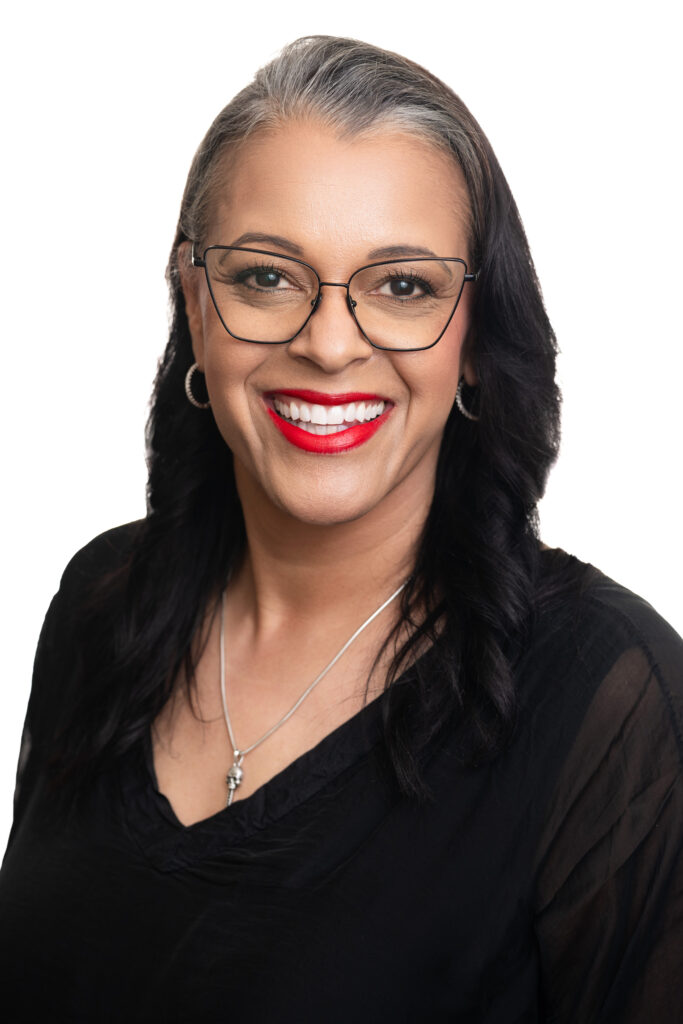
Shelley’s focus is growing keynote speaking and leadership development engagements with organizations that want to strengthen civility, accountability, trust and communication in the workplace. Executive coaching remains part of her work. The engagements she is looking for are the ones where a keynote begins an important conversation and grows into deeper work through facilitated sessions, leadership coaching, assessments and practical tools that help an organization apply the ideas over time.
She wants to reach CEOs, senior executives, HR and people leaders, association leaders and conference planners, particularly in organizations navigating growth, a merger, a leadership transition, restructuring or another period of significant change. “Those moments often reveal human dynamics that were easier to work around before,” she says.
She is just as interested in organizations that already have a good culture and want to protect it as they grow. “The Civility Code™ is not only for workplaces in crisis,” she says. “In many cases, the most valuable time to invest in this work is before communication problems, inconsistent accountability, or unresolved tension become embedded in the culture.”
The Howell Area Chamber of Commerce has brought her in to introduce The Civility Code at its Inclusive Livingston program. On her firm’s blog she has been writing about selective incivility, and why a moment that looks small to an observer may not be small to the person it happened to. “The observer sees the latest interaction, while the person affected may be carrying an entire pattern,” she wrote.
Outside the client work, she is in her third year as a mentor with the ATHENA WIN Aspiring Leaders Program. “One of the things I appreciate most about mentoring is that I always learn something, too,” she wrote.
For Shelley, the human dynamics of an organization and its operating reality belong to the same discussion. “They are not separate conversations,” she says. “How people communicate, respond to pressure, handle disagreement, and hold one another accountable ultimately shapes how the business performs.”
Five Reflections from Shelley
Where does the real conversation happen? If it happens after the meeting, the decision is already taking longer than it needs to.
What are people working around? Each workaround may appear manageable, but together they consume capacity, reduce profitability and pull attention away from more important work.
What does the exception say? Whatever the reason for it, the exception tells people more about what the organization values than the stated expectation does.
Is there a rupture no one has repaired? Acknowledging impact rather than defending intent, and returning to the relationship when something has gone wrong, is part of the work.
Why wait for a crisis? The most valuable time to invest in civility is often before unresolved tension becomes embedded in the culture.
From the Diary of Shelley Davis Boyd
Shelley Davis Boyd is a Greater Lansing-based keynote speaker and executive coach and the Founder, President & CEO of Essdee & Co.
| Role | Founder, President & CEO, Essdee & Co. |
| Based in | Greater Lansing, Michigan |
| Also | Creator of The Civility Code™ |
“An organization can have highly engaged employees and still have serious civility problems.”
Editor’s Note
Executives Diary features Shelley Davis Boyd because her argument draws a line between engagement and civility and explains, in operating terms, what it costs an organization when the second is missing. She makes that case from the operating side, having carried P&L responsibility and led the integration of an acquisition before building her practice around this work. What convinced the editors is how she treats evidence: she does not claim that a keynote changes a culture, and she is building measurement into the longer engagements.
Executives Diary, Editorial

