

Bridging the gap between AI tools and human-centered leadership to help modern organizations move from digital exposure to real-world capability
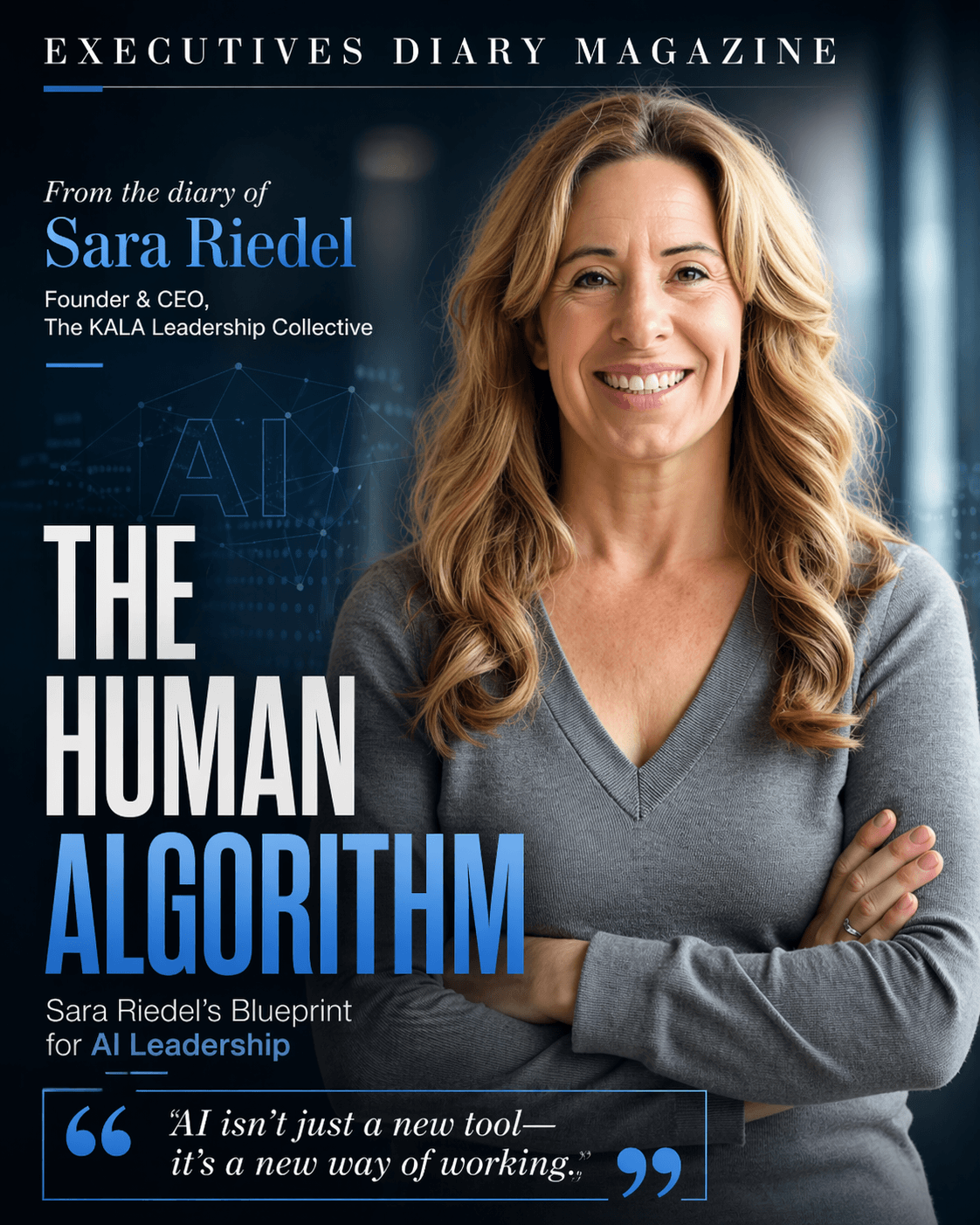
Sara Riedel: The Architect of AI-Enabled Leadership
From her childhood on a Michigan dairy farm to her tenure as a three-time award winner in the life sciences industry, Sara Riedel has spent her career bridging the gap between human potential and organizational excellence. As the CEO of The KALA Leadership Collective, she empowers leaders to modernize their workflows by integrating proprietary AI adoption frameworks with timeless leadership fundamentals. Sara’s unique “educator-first” approach ensures that technology remains a catalyst for human connection.
In the quiet, predawn hours on a farm in Michigan, a young Sara Riedel learned a lesson that no corporate seminar could ever replicate: leadership is not a title; it is a commitment to showing up. While her father tended to livestock her mother navigated the structured world of the Ford Motor Company. These two disparate worlds—the grit of the entrepreneur and the discipline of the corporate mainstay—forged the foundation of a leader who today stands at the critical intersection of human-centered leadership and artificial intelligence.
“Whether you think you can, or you think you can’t, you’re right,” Sara often quotes, echoing Henry Ford. For Sara, this isn’t just a motivational phrase; it is the operating system for a career that has spanned the classroom, the heights of the pharmaceutical industry, and now, the cutting edge of AI adoption as the Founder and CEO of The KALA Leadership Collective.
From the Farm to the Front of the Class
Sara’s professional story began long before she stepped into a corporate career. It started with a $2.12 hourly wage plus tips at her father’s Coney Island restaurant. While her peers were focused on high school social lives, Sara was balancing ledgers, running payroll for twelve waitresses, and learning that a leader is often the last person to get paid and the first person to pick up a mop.
“I essentially learned how to run a business from the front end,” Sara reflects. “It gave me an early understanding that when you’re a business owner, you’re often the last person who gets paid, and when people don’t show up, you’re the one who fills the gaps.”
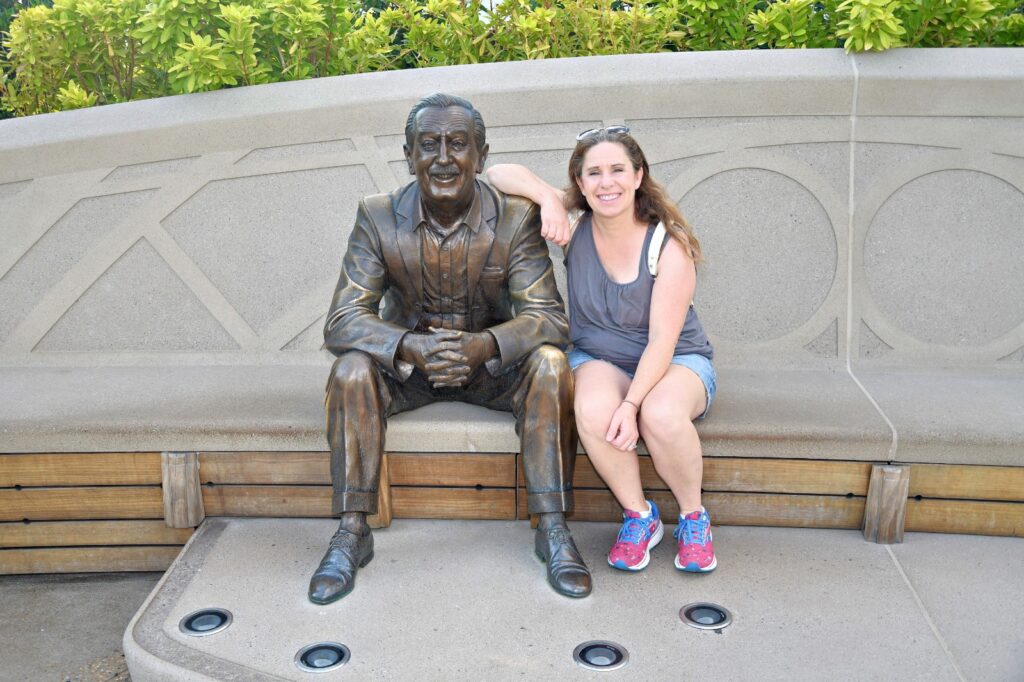
This ingrained sense of responsibility led her to Michigan State University, where she earned a B.A. in Secondary Education. Her early career as a classroom teacher was more than just a job; it was a masterclass in human psychology and communication. In the classroom, she learned that information alone does not change behavior—environment, structure, and engagement do.
This educator-first mindset would later become her secret weapon in the corporate world, allowing her to translate complex data into actionable wisdom.
Two Decades of Impact in Life Sciences
Transitioning from education to the high-stakes world of Life Sciences, Sara spent over twenty years at industry giants AstraZeneca and Takeda. Her trajectory was marked by a consistent ability to see the “ripple effect” of every decision. Whether she was an Oncology Territory Manager or a Learning & Development lead, she understood that marketing strategy created in a boardroom eventually reached a patient’s bedside.
During her tenure, Sara wasn’t just hitting targets; she was a three-time winner of the Takeda Oncology Cup, an accolade that recognized her as a top-tier performer in one of the most demanding sectors of healthcare. Yet, her most significant contributions were internal. She created a globally recognized mentorship program that positively impacted dozens of employees, creating a ripple effect of professional growth and positivity across the oncology franchise.
Human-Centered Leadership in an AI World
After two decades in Life Sciences, Sara noticed two glaring gaps in the corporate landscape. First, many companies lacked the resources and bandwidth to provide proper, internal leadership development. Second, as sophisticated AI tools hit the market, massive organizations—burdened by complex governance and compliance—didn’t have the specialized resources to train their leaders on how to actually use them.
To solve this, she founded the KALA Leadership Collective. Rather than just teaching generic AI prompts, KALA bridges the gap between technology and human behavior. Sara offers programs that teach foundational leadership skills with AI seamlessly layered in, ensuring that every tech skill is grounded in real-world leadership workflows. Through her signature BUILD Method (B – Baseline leadership skills U – Upskill with AI I – Integrate new skills into daily work L – Learn through real-world application D – Deliver measurable results), she provides a structured framework to move leaders from AI curiosity to AI capability.
“AI isn’t just a new tool,” Sara explains. “It’s a new way of working, and it’s evolving so quickly that most organizations cannot keep up quickly enough.” Her approach is research-backed and grounded in her 20+ years of Life Sciences experience, ensuring that AI adoption feels tangible and sustainable rather than overwhelming.
Beyond her corporate work, Sara remains deeply invested in the next generation. As a Girl Scout Troop Leader and a youth basketball coach and former Girl Scout Troop Leader, she continues to model the lessons of consistency and effort she learned from her mother at Ford. Her advice to Gen Z and Millennials alike is a testament to her belief in the power of the human touch: “Pick up the phone and talk to people. Technology can be incredibly helpful, but it cannot replace the depth of real human connection.”
The Legacy of Empowerment
As Sara Riedel looks toward the future, her vision is clear: a world where AI serves as a catalyst for better leadership, not a replacement for it. She views AI as a way for busy leaders to “reclaim” their time, allowing them to focus on what truly matters—leadership, strategy, and high-level decision-making.
Her journey from a Michigan dairy farm to the forefront of AI training is a narrative of resilience and constant evolution. She remains a firm believer that the most successful organizations of the future will be those that pair cutting-edge technology with unshakeable human fundamentals.
By combining the discipline of her mother’s corporate example with the entrepreneurial courage of her father, Sara continues to build a path for leaders to navigate the modern world with confidence. In her view, the future belongs to those who are brave enough to learn, disciplined enough to execute, and human enough to pick up the phone.
Editorial Note
Sara Riedel’s journey serves as a powerful reminder that while technology changes the speed of business, the human element determines its direction. Her transition from traditional education and corporate leadership into the AI frontier highlights the necessity of continuous upskilling. For leaders looking to bridge the gap between AI tools and meaningful adoption, Sara’s story is a call to action: to lead with modern tools, but always with a human heart.
