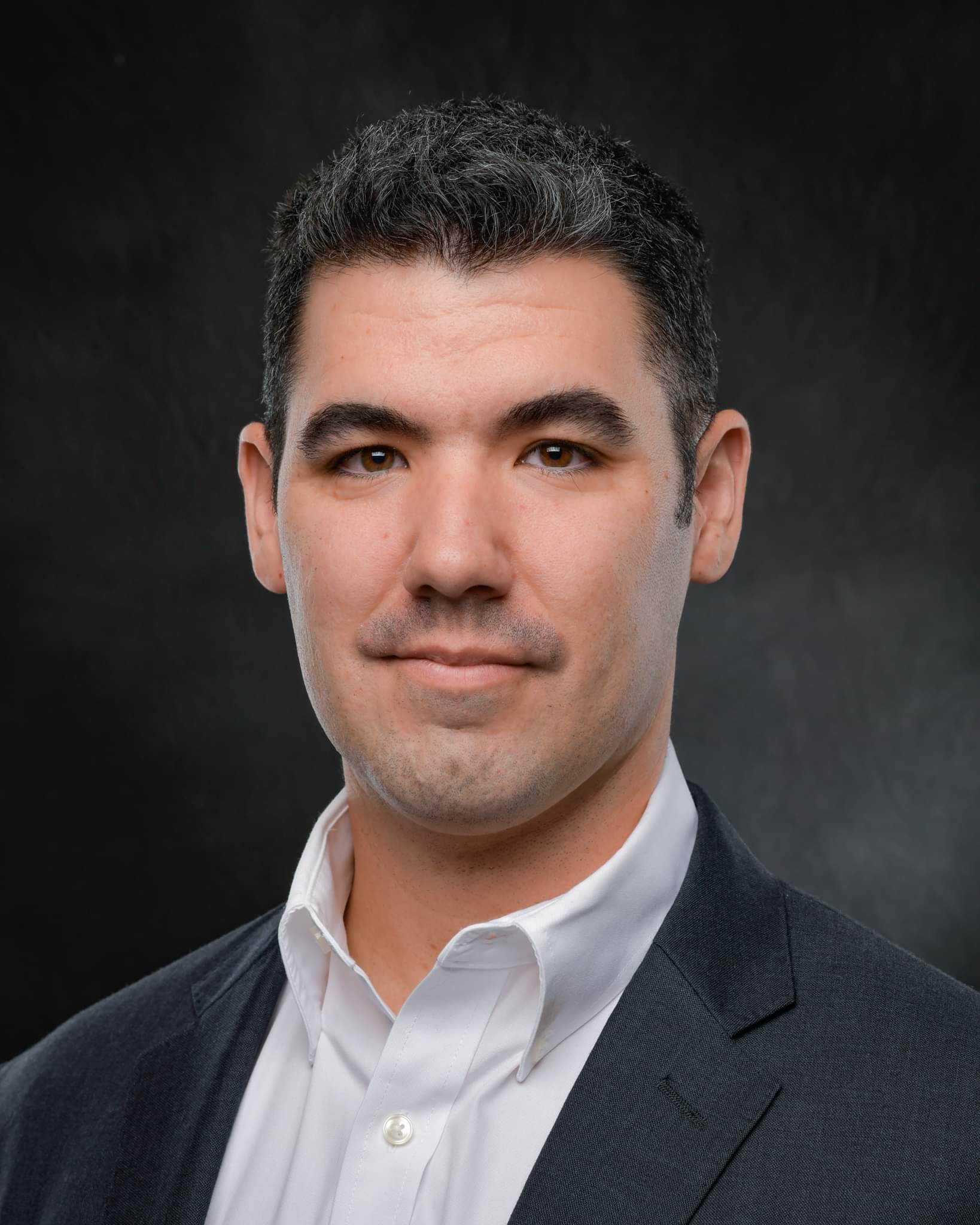
Dr. Joshua Thayer – Leading with Integrity at Every Crossroads
Dr. Joshua Thayer is a United States Air Force Chief select and strategic intelligence leader with nearly two decades of service. Known for his GUIDE leadership framework, he integrates grit, unity, integrity, discipline, and enthusiasm into both mission execution and people development. His leadership philosophy centers on presence, ownership, and building teams that thrive under pressure while staying grounded in character.
Nineteen years into service, the question changes.
It is no longer about capability or ambition. It becomes quieter and far more consequential. Does staying continue to serve the mission, or does integrity demand a new direction? For Dr. Joshua Thayer, that question did not arrive suddenly. It formed gradually through deployments, leadership trials, and the steady responsibility of shaping Airmen who entrusted him with their development. At this stage, leadership is less about advancement and more about stewardship. It is about legacy. It is about alignment between values and action.
That crossroads became deeply personal on January 5, 2026. At 11:25 in the morning, his son Aarush was born. Later that evening came the call that he had been selected for promotion to Chief Master Sergeant. Two life changing moments unfolding within hours of each other. Joy intertwined with responsibility. Gratitude fused with weight.
Reflecting on that day, he shared, “Presence matters more than rank.” Fatherhood recalibrated everything. Promotion amplified accountability. The collision of celebration and consequence clarified what he had long believed. Leadership is not about position. It is about who you become when everything changes at once.
Built in a Small Town
Dr. Thayer grew up in St. Albans, Vermont, a small farm town where reliability was expected and service was modeled daily. Long before doctrine or leadership frameworks entered his life, he absorbed simple but enduring principles. Show up. Keep your word. Do the work even when no one notices.
Those early lessons shaped the philosophy he now articulates clearly: “Your integrity is tested most when no one is watching, and your leadership is measured by what your team remembers, not what your bosses see.” The military provided structure and opportunity, but the foundation of character was built at home.
Over time, those values evolved into what he calls the GUIDE principles: Grit, Unity, Integrity, Discipline, and Enthusiasm. These are not motivational slogans. They are operational anchors refined through nearly two decades of service.
He defines grit as “showing up on day forty seven of a sixty day problem with the same energy you had on day one.” Unity is building teams that cover each other’s gaps. Integrity is owning mistakes before they are exposed. Discipline creates freedom under pressure. Enthusiasm fuels endurance when the mission becomes heavy.
Leadership Forged Under Pressure
Throughout his career, Dr. Thayer has served in roles that required both tactical precision and strategic foresight. From operational assignments to Air Staff responsibilities, he learned that authority alone does not create influence. Influence is earned through example.
While stationed in Okinawa, he witnessed senior leaders step into physically demanding training alongside their Airmen. That experience reinforced a belief he still carries: leaders must be visible in effort, not just in expectation.
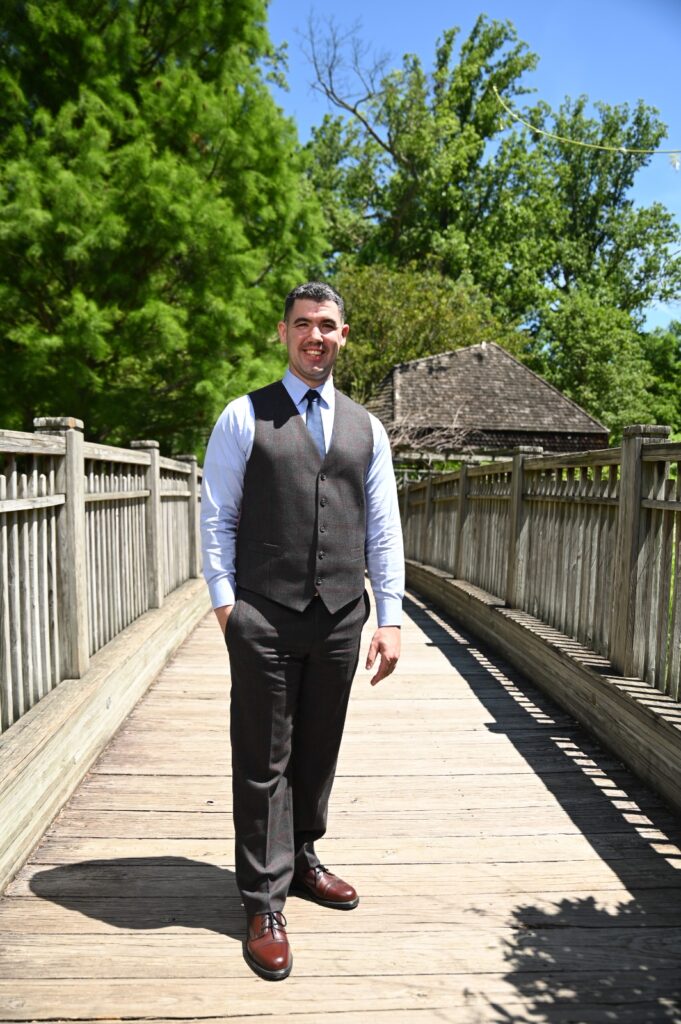
His reflections on leadership literature further shaped his philosophy. After studying The Go Giver, he wrote, “The best leaders are not collectors. They are connectors. They add value without keeping score.” Early in his career, he equated success with personal achievement. Experience reframed that understanding. True leadership multiplies others.
Now serving at the Air Staff level, he navigates workforce strategy, readiness planning, and policy shifts that directly impact Airmen and their families. In reviewing the 2026 National Defense Strategy, he emphasized clarity and execution, writing, “Readiness is not optional. The mission is set. Now we execute.”
He understands that strategic decisions ripple through real lives. Assignment patterns shift. Training priorities evolve. Communication becomes critical. Leadership at this level demands both operational competence and emotional steadiness.
The Discipline of Presence
While his ascent reflects professional growth, his impact is increasingly defined by presence. The birth of his son sharpened his awareness of divided attention. He openly questioned how often leaders are physically present yet mentally elsewhere.
Holding Aarush at three in the morning, he recognized how easy it would be to be there physically while mentally replaying meetings or drafting responses. That realization reframed discipline for him.
He wrote, “Discipline is the choice to be fully engaged in the moment you are in.”
He rejects the false dichotomy between career and family. Instead, he speaks of seasons. Some years demand acceleration and sacrifice. Others demand recovery and connection. Wisdom lies in recognizing which season you are in and committing fully to it.
He captures this perspective through metaphor, describing life as a symphony of choices. “The symphony does not require perfection. It requires presence.” Attempting to play every instrument at once creates noise. Conducting intentionally creates harmony.
His reflections on team performance reinforce this theme. Using football as analogy, he highlights that championships are rarely pretty. When one unit struggles, another steps forward. Unity is not flawless execution. It is complementary strength.
“Perfect execution is not required. Complementary performance is.”
That mindset builds resilient teams. Mistakes become learning moments rather than fractures. Ownership replaces blame. Trust deepens.
Leadership in Complexity
Perhaps the most compelling dimension of Dr. Thayer’s voice is his willingness to acknowledge emotional complexity. On the day he became both a father and a Chief select, he experienced celebration and gravity simultaneously. He has spoken candidly about holding conflicting emotions without forcing resolution.
“You do not have to choose one emotion over the other.”
Integrity, in his view, includes emotional honesty. Leaders who admit uncertainty model courage. Those who pretend certainty erode trust.
As he prepares to assume greater responsibility, he remains grounded in gratitude. He credits mentors, teammates, and Airmen who invested in him long before promotion made their investment visible.
“This promotion belongs to the teams who made it possible.”
The Courage to Evolve
Standing at nineteen years of service, Dr. Joshua Thayer does not measure success solely by rank or assignment. He measures it by alignment. The crossroads he faces is not about dissatisfaction. It is about integrity. It is about ensuring that continued service reflects both mission need and personal truth.
Leadership, he insists, is not about perfection.
“Leadership is not about perfection. It is about showing up consistently, developing the people around you, and having the courage to make hard decisions, including the decision to evolve beyond where you started.”

His legacy will not be defined only by operational success or strategic contribution. It will be reflected in Airmen who felt seen, prepared, and strengthened. It will be visible in a son who grows up watching a father choose presence over distraction. It will endure in teams that learned discipline creates freedom.
At the crossroads of service, Dr. Joshua Thayer is not asking what position comes next.
He is asking what integrity requires next.
And that question may be the clearest evidence of leadership he has yet demonstrated.