About
Who is Olga Albaladejo ?
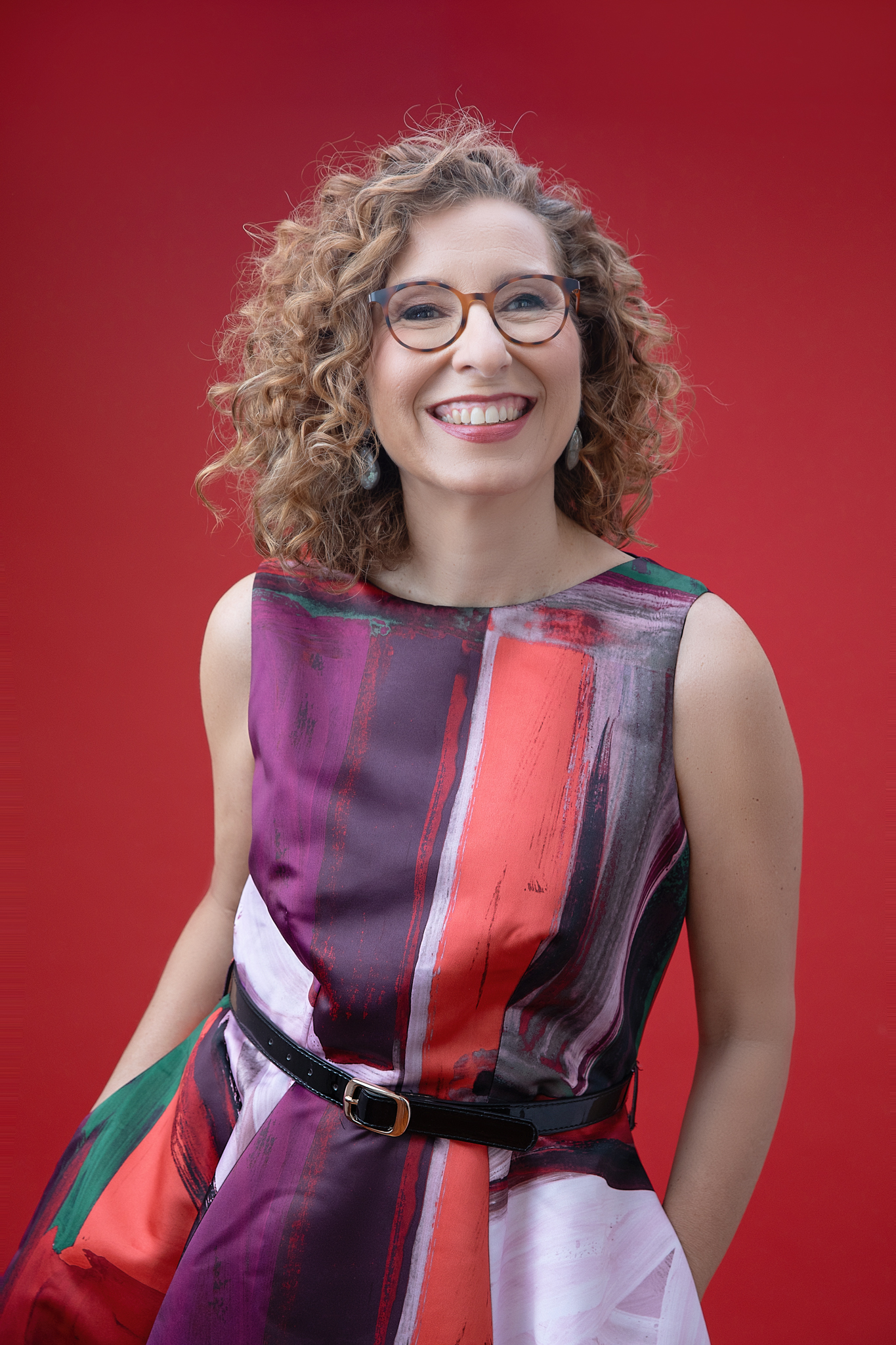
Olga Albaladejo is a Spanish psychologist, executive coach, and wellbeing advocate specializing in integrative health, psychoneuroimmunology, and psycho-oncology. After a transformative recovery from a severe accident, she founded the Método 3Contigo, a science-based approach to emotional awareness, purpose, and action. Olga is the author of two bestselling books, host of the podcast Bienestar sin Parches, and a sought-after speaker who helps leaders, healthcare professionals, and individuals translate psychological insight into practical, sustainable wellbeing. Her work emphasizes listening to the body, conscious choices, and building a life rooted in meaning over speed.
“We spend years trying to function better, instead of asking why we are hurting in the first place.” This belief sits at the center of Olga Albaladejo’s life and work. It is not a slogan or a professional positioning. It is the result of lived experience shaped by success and rupture, clarity and loss, ambition and stillness. For Olga, wellbeing has never been about fixing what is visible. It has always been about understanding what lies underneath.
A Calling Rooted in Authenticity
Olga grew up in Spain with a restless curiosity about people and an early sensitivity to emotional undercurrents. She was often described as rebellious, not because she sought conflict, but because she resisted living out of alignment with her values. Even as a child, she was drawn to questions others avoided. What makes people feel whole. Why some thrive while others quietly endure. How meaning is built over time.
That curiosity led her to study psychology, although she would later say that life itself became her most demanding teacher. She entered the professional world with the desire to help, but also with the discipline and ambition that would take her far beyond the clinical setting.
The Inner Cost of High Performance
Olga’s early career unfolded in the corporate world, where she moved quickly through consulting and change management roles before becoming an International Human Resources Director at a young age. She worked across continents, within complex multinational environments, and eventually held senior leadership responsibilities impacting tens of thousands of employees.
Externally, her career reflected influence, prestige, and measurable success. Internally, something quieter began to erode. The pressure to perform, decide, and lead without pause created a growing distance between who she was and how she was living. She had learned to function at a high level, but not without cost.
Years later, she would recognize this period as an education in contrast. It taught her how easily identity can become fused with productivity, and how silently wellbeing can be postponed when success becomes the primary language.
When the Body Interrupts the Narrative
While working in the United States, Olga’s life was abruptly disrupted by a severe car accident. The injuries were profound. She was repatriated to Spain in a wheelchair with a traumatic brain injury that left her unable to walk independently for months. Cognitive functions she had relied on disappeared almost overnight. Reading, writing, calculating, remembering words became daily challenges.
For someone who had built her sense of self around mental agility and control, the experience was destabilizing. Recovery forced her into a pace she had never allowed herself. Stillness replaced momentum. Dependence replaced autonomy.
During this period, Olga encountered a moment that would later define her work. Seeing a young woman pushing her partner’s wheelchair, she realized that what had happened did not have to determine how she would live from that point forward. There was a space between the event and her response.
“Between stimulus and response there is a space. In that space is our power to choose our response.”That idea ceased to be theoretical. It became practical, urgent, and embodied.
Reclaiming Choice and Rebuilding Meaning
As her physical and cognitive recovery progressed, Olga began to understand that surviving the accident was only part of the journey. The deeper task was deciding what kind of life she wanted to rebuild. During therapy, she remembered a near-death experience during the accident itself, a moment in which she had chosen to live. Now she understood that choosing life also meant choosing purpose.
She stepped away from the corporate trajectory and returned fully to psychology, not as a retreat from leadership, but as an integration of everything she had lived. She founded her own integrative psychology and coaching practice and began working with clients navigating moments when life demands redefinition.
The Language of the Body
Over the next two decades, Olga specialized in health psychology, psycho-oncology, palliative care, and psychoneuroimmunology. She collaborated with major university hospitals in Madrid, leading psycho-oncology workshops for patients and families facing cancer.
Her clinical work reinforced what her own experience had already revealed. The body speaks long before the mind can organize meaning. Fatigue, illness, anxiety, and emotional collapse are not failures. They are messages.
“The body registers stress before the mind understands it.” Listening, rather than overriding, became central to her approach.
From this foundation emerged the Método 3Contigo, a functional, integrative methodology grounded in science, emotional awareness, purpose, and action. It is designed for moments when familiar solutions no longer work and deeper questions must be asked.
From Private Practice to Public Voice
Olga’s work extends well beyond individual sessions. She is the author of two widely read books on wellbeing and personal development, published by major Spanish publishing houses. Through her writing, she translates psychological depth into language that is accessible without being simplistic.
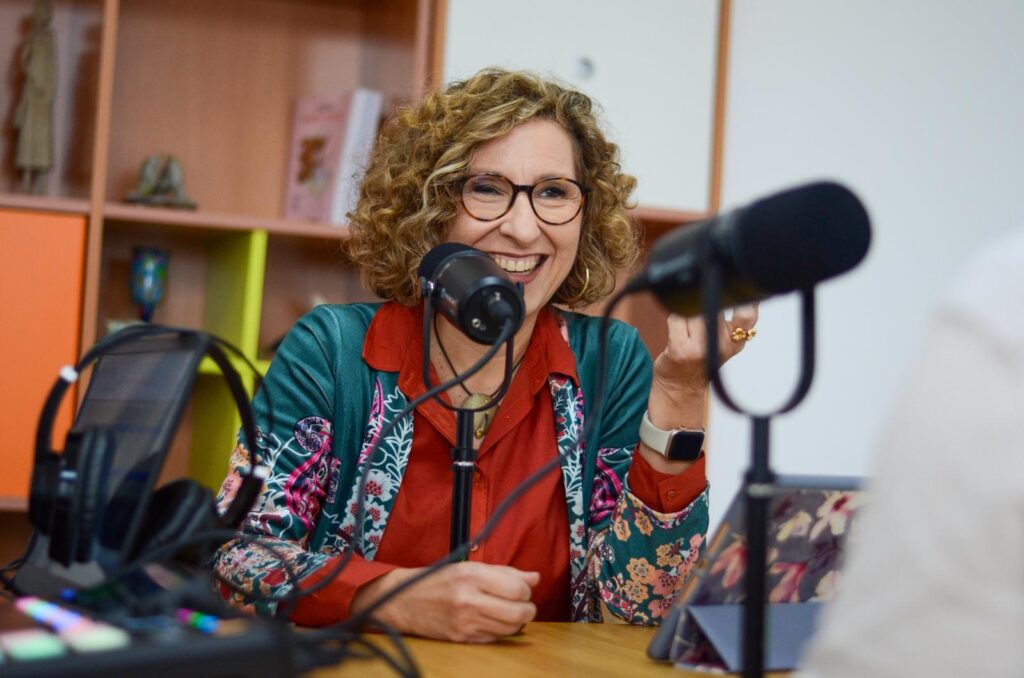
She is also the host of the podcast Bienestar sin Parches, where she explores emotional regulation, health, leadership, self-compassion, and purpose through a lens that combines evidence and lived experience. Her voice has become a regular presence in national media, radio, and public conversations about health and wellbeing.
Colleagues and clients describe her as someone who understands people from every angle. From executive decision-making to emotional vulnerability. From organizational pressure to personal grief. One long-term client wrote that working with Olga meant working on balance itself.
Translating Complexity Into Everyday Life
What distinguishes Olga’s work is not only what she knows, but how she communicates it. She believes that psychological insight loses its power when it becomes inaccessible. Complexity, in her view, does not require obscurity.
“The time is not gold. Time is life.” This idea appears often in her work, reminding people that wellbeing is shaped by daily choices, not future promises.
Whether speaking to leaders, healthcare professionals, or patients, Olga consistently returns to the same principle. Sustainable wellbeing is built through small, conscious decisions that honor both limits and meaning.
Choosing Depth Over Speed
Today, Olga is expanding her work internationally through conferences, workshops, and strategic collaborations. Her focus is on supporting organizations and individuals who want to move beyond wellness as a trend and toward wellbeing as a lived practice.
She continues to develop the Método 3Contigo, grounded in research, refined through practice, and guided by the belief that real change does not come from shortcuts.
“Correct does not mean perfect. It means appropriate. Wise. In measure.” That understanding now guides both her work and her life.
Editorial Note
Olga Albaladejo’s journey reminds us that the most meaningful leadership often begins with the courage to stop, listen, and choose again. In a culture driven by speed and solutions, her work offers a quieter, more demanding invitation. To live without patches. To build from the roots. To choose a life with purpose.