For small and boutique law firms weighing AI: a solicitor on what it can do beyond research, and the digital worker she has launched.
A piece of legal advice is drafted in one system. To send it to the client, it has to move into Outlook, along with a proper explanation of what is being worked on. Then it has to be saved again, in a separate case management system. None of those steps has anything to do with the advice.
That is Isabel Bathurst’s own example of the work that surrounds legal work. “All I want to do is work on the advice itself, and all of this becomes cumbersome,” she says. “Too often, technology gets in the way of legal work instead of helping it.”
Across the profession, much of the working day goes on something other than billable work. Clio’s 2025 benchmarks, built from anonymised data across tens of thousands of law firms, put the average lawyer at 3.0 billable hours captured in an eight-hour working day.
Isabel is a solicitor and the founder of Legal Ai, the company behind Kai. Kai is a digital worker for lawyers. It uses AI to take on the jobs that surround legal work, most of them administrative, so the lawyer can stay with the advice. It has launched and is working with beta testers.



What Kai Does
Isabel is precise about the jobs she means. “They have nothing to do with a lawyer’s expertise, but they are needed to support it,” she says.
Kai is built to take those jobs on. In her description, every document has somewhere to go and always has a home, even when it has to live in more than one system. Lawyers work with Kai by voice, or by messaging it much as they would on WhatsApp.
What Kai does rests on a view of AI that differs from the way most lawyers use it.
Research Tool, or Glue
“Most lawyers use AI as a research tool, much like Google, and never look at what it can really do,” Isabel says.
Use is spreading faster than depth. A LexisNexis survey of UK lawyers, published in September 2025 as The AI culture clash, found 61% using AI in their day-to-day work, while only 17% said it was fully embedded in their organisation’s strategy and operations.
Isabel puts the value somewhere else. “The real value lies in structuring documents and information through intelligent automation,” she says. “That automation understands what has already been done and brings it all together.”
“It works like glue: it takes the expertise inside a lawyer’s head, or a whole team’s, and turns it into a complete document, which is what the client wants to see.”
Isabel Bathurst, Owner and Founder, Legal Ai
The reason, as she gives it, is the client. “Clients want the outcome, not the workings, and AI makes that possible.”
She is as clear about the limit. “That doesn’t mean lawyers should hand everything over,” she says. “The expertise stays with the lawyer. The AI should assist, develop and produce documents that are easy to understand.” Her own route to legal technology began in practice.
Injury, Inquests and Expert Witnesses
Isabel practised as a consultant solicitor with Scott-Moncrieff, where she built a practice in complex injury and clinical negligence. Her profile lists her as an international lawyer and consultant solicitor advocate, and describes cross-border work that has included international inquests and overseas cosmetic surgery cases.
She studied geography at the University of Manchester and holds a Diploma in Advanced Litigation from Nottingham Law School.
Through Isabel Bathurst Consulting, her work also reaches the point where law intersects with medicine, with training for medical expert witnesses. Some of that training now runs over Zoom. In a LinkedIn post she wrote that she had been training in South Africa that morning, and that one consultant had recently joined from India. The technology, she wrote, has opened up a whole world of opportunity for training.
The turn towards building technology of her own began with a request.
A Technology Company’s Request
“A technology company approached me to help bring a tool to market,” Isabel says. The work showed her where her value lay.
“The most valuable thing I brought turned out to be my advice on how technology and lawyers fit together, and how to make the meeting point between law and technology work better.”
Isabel, Owner and Founder, Legal Ai
“That led me to bring the consultancy work together across Legal Ai Limited and IB Consulting,” she says. Making that meeting point work has depended on finding the right people.
People Who Understand the Business of Law
“The hard lesson has been learning who can work well with you,” Isabel says. “These are difficult ideas to get across.”
What she looks for are people and companies willing to fully understand the business of law, in her words, “so that the technology is built around how law actually works.” That is the kind of firm she is now looking for.
Where Isabel Is Now
Kai is working with beta testers, and Legal Ai is at the pre-seed funding stage. Over the next twelve months Isabel wants the company in front of prospective clients, small and medium-sized law firms and boutique practices, and in front of investors.
She is a member of UKAI, the trade association for the UK AI business community, and an elite member of Game Changers, a private community of entrepreneurs in London. The line she lives by is one often attributed to Audrey Hepburn: “Nothing is impossible; the word itself says ‘I’m possible.’”
Her ask is specific. “Most of all, I want to find the firms that would like to work with us as beta testers and help build the product.”
Five Lines from Isabel’s Diary
1. “All I want to do is work on the advice itself.”
2. “Every document has somewhere to go and always has a home.”
3. “The real value lies in structuring documents and information through intelligent automation.”
4. “Clients want the outcome, not the workings, and AI makes that possible.”
5. “The expertise stays with the lawyer.”
From the Diary of Isabel Bathurst
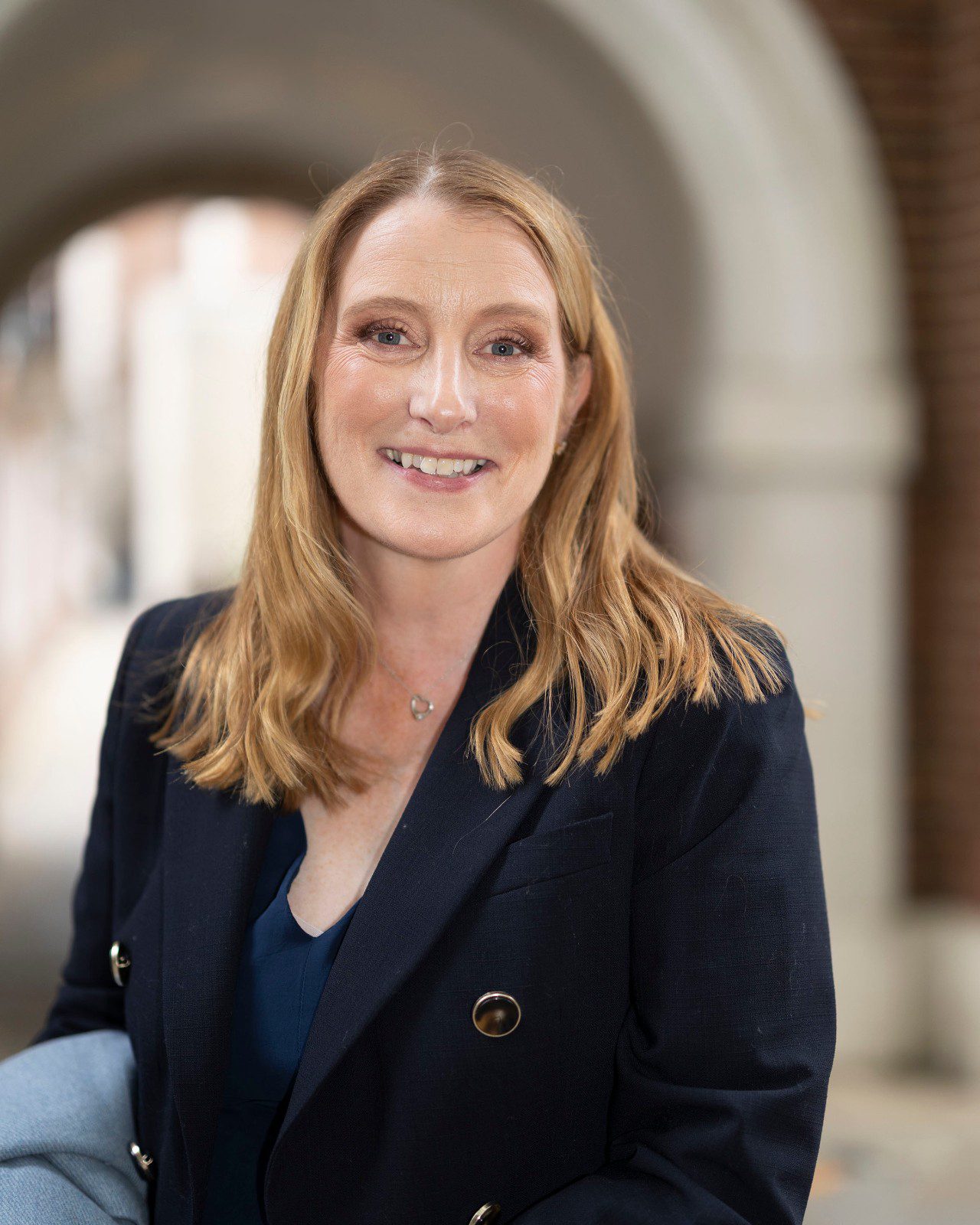
Isabel Bathurst is a London-based solicitor and the owner and founder of Legal Ai.
“Too often, technology gets in the way of legal work instead of helping it.”
Editor’s Note
Executives Diary features Isabel Bathurst because her case for AI in law starts from legal practice rather than from the technology. Her example of one piece of advice moving through three systems is specific and checkable. Kai is live with beta testers, which means the firms she wants to reach can still shape it. The editors are interested in where she draws the line: AI to structure and assemble, with the expertise left with the lawyer.
Executives Diary, Editorial
Sources
Clio, Law Firm Key Performance Indicators: Insights from the Legal Trends Report, 2025, https://clio.com/resources/legal-trends/benchmarks/
LexisNexis, Two-thirds of UK Lawyers Now Use AI, Yet Firm Culture Slows Progress (The AI culture clash), 1 September 2025, https://www.lexisnexis.com/community/pressroom/b/news/posts/two-thirds-of-uk-lawyers-now-use-ai-yet-firm-culture-slows-progress