For the leader whose diary is full and whose own life has slipped down the list, a coach who has spent more than two decades helping people plan both.
“Who are you without your job?”
Take the business card away and the question gets harder. What matters then? What brings joy? What would you like your life to stand for? For people who have spent decades building a career, a business or a family, the answers have often gone quiet. The diary is full and the career is thriving, but wellbeing, relationships, interests and a sense of identity have moved, gradually, to the bottom of the list.
It is a common shape at the top. In Deloitte’s 2023 Well-being at Work survey of 3,150 executives, managers and employees in the United States, the United Kingdom, Canada and Australia, 75% of C-suite leaders said they were seriously considering quitting for a job that would better support their wellbeing, and 74% of all respondents said they struggle to take time off or disconnect from work.
That gap, between a successful career and a life someone actually wants to live, is the work of Shannah Kennedy, a Melbourne-based life and executive coach who has run her own practice, Shannah Kennedy Coaching, since 2002. She coaches CEOs, executives, entrepreneurs, elite athletes and people navigating significant life transitions to build a life plan, not just a career plan. She is the author of eight books with Penguin Random House, including The Life Plan™, which has sold more than 100,000 copies, and she speaks to organisations on self-leadership and what she calls high performance living.
We spend so much time creating strategies for our businesses and careers, yet often fail to create a strategy for our own lives.
Shannah Kennedy, Master Life Coach and Life Strategist, Shannah Kennedy Coaching
The question at the top of this page is where her work starts. It is the first question she asks all her high-performance clients and, as she has written, her favourite.
From the Trading Desk to 150 Athletes
Shannah’s career began in stockbroking. Her profile records three years from 1994 at Pro Sport Management, managing communications for twelve of Australia’s professional golfers, and then five years at Bollé from 1997, where she was sponsorship manager for Australia and also ran the brand’s PR and the marketing of its ski range. At Bollé she managed sponsorship relationships with approximately 150 athletes across ten sports.
“Working closely with elite athletes gave me a fascinating insight into high performance, discipline, mindset and the importance of having a clear plan,” she says. What held her attention was what happened beyond the results: how athletes managed pressure, identity, transition and life after competition. Her conclusion was that “high performance was about far more than talent and ambition. It required self-awareness, energy management, resilience and an understanding of the whole person.”
She had her own reasons to take that seriously.
Burnout, and the Practice That Followed
Early in adulthood, she says, she experienced significant health challenges: chronic fatigue syndrome and depression from burnout. It changed her relationship with achievement and performance. “I had to learn that energy is finite, (because I married my job) that recovery matters and that pushing harder is not always the answer,” she says.
Rather than letting the experience define her limits, she began building practical systems, routines and boundaries to support sustainable performance. It shaped the principle she returns to more than any other: “You are the asset. Protect the asset.” She has since told the story from the stage, speaking at Retail Global about overcoming burnout and chronic fatigue syndrome to rebuild a successful career and life.
Those health challenges, she says, “reinforced that success means very little if we lose ourselves in the process.” She wanted to understand how people could achieve ambitious goals while protecting their health, relationships and quality of life. She undertook professional coach training through the International Coach Academy and established her coaching practice in 2002. “I recognised that many of the strategic principles used in business and sport could be applied to designing a fulfilling personal life,” she says. Her mission became helping people build a personal strategy with the same intention and commitment they would bring to a business strategy.
In practice, that work starts by slowing down.
Inside The Life Plan Method™
She describes a typical client in a few lines. “A typical client comes to me feeling overwhelmed, constantly available to others, struggling to switch off and questioning why professional success no longer feels as fulfilling as it once did.” They have spent decades developing business strategies and managing teams, and have never stopped to design their own lives.
The first sessions build self-awareness. Who are they beyond their professional title? What do they value? What gives them energy, and what is draining them? What does success actually mean to them now? From there she takes them through The Life Plan Method™, which looks at the whole person rather than only their professional ambitions: health, relationships, career, finances, personal growth, lifestyle, contribution and the experiences they want to create. Together they set a longer-term vision and translate it into practical goals, habits, boundaries and seasonal action plans.
Often the biggest transformation is not a promotion or career change. It is a shift in how they see themselves, make decisions and manage their energy.
Shannah, Master Life Coach and Life Strategist, Shannah Kennedy Coaching
Underneath the method sit three pillars she names. Self-awareness is knowing who you are, what you value, what matters and where you want to go. Self-leadership is taking ownership of your direction, decisions, mindset and personal vision. Self-management is protecting your energy, establishing boundaries and building the daily habits and systems that sustain wellbeing and performance. When people master all three, she says, they are better equipped to navigate change, perform at their best and create a fulfilling life on their own terms.
She coaches individuals and teams, in person and virtually, and her profile notes that every engagement is confidential. A certified breathwork instructor through Breathless Expeditions, she brings breathwork into her coaching, keynotes and retreats. The movement she describes in clients is from reactive living to intentional living, and to the recognition that they “can be highly successful without sacrificing themselves in the process.” The next step was getting those tools beyond the coaching room.
From the Coaching Room to the Bookshelf
She wanted the tools and frameworks she used with individual clients to reach a much wider audience. That led to a writing career with Penguin Random House: The Life Plan™ first, then seven further books, four of them co-written with Lyndall Mitchell, her co-founder in The Essentialists. Her profile describes Plan B, a guide to navigating change, as written through Melbourne’s lockdowns and built on more than 1,000 real stories of change. “Writing allowed me to translate complex personal development concepts into simple, practical exercises that people could use in everyday life,” she says. Her vision board kits, built on the same idea of turning goals into a visible plan, are sold in major retailers in Australia and the US.
Today her work combines individual coaching, corporate keynote speaking, leadership development, books and life-design retreats. Her profile lists recent clients including Deloitte, Macquarie Bank, Commonwealth Bank, NAB, Westpac, Bunnings and Lion Beverages, and she is represented for keynotes by ICMI, Saxtons and Book Speakers Direct. She has supported more than 1,000 individuals, and she measures the work by what lasts. “I believe the real evidence of effective coaching is what happens after the session,” she says: the decisions people make, the boundaries they establish, the habits they sustain and the quality of life they create.
The question she asks every client is one she has answered for herself.
Who Shannah Is Without Her Job
“I am a human being first,” she says. “A woman, wife, mother, daughter, friend, learner, traveller and someone who loves walking, reading, painting, meaningful conversations and exploring the world.” Her work is something she does, she says, and not the whole of who she is.
Our professional titles are temporary. Our identity, values, character and relationships are what remain when the title disappears.
Shannah, Master Life Coach and Life Strategist, Shannah Kennedy Coaching
Her mother had an enormous influence on the person she became, she says, shaping her appreciation for family, kindness, resilience and enjoying life “rather than simply moving from one achievement to the next.”
“Walking is one of my greatest teachers,” she says. In 2013 her family took a six-month sabbatical in the USA: no school for the children, no work for the adults, a summer in the Colorado Rockies and the national parks by RV. This year she and her husband walked the French Camino de Santiago, 40 days on foot. She calls these mini sabbaticals, regular and deliberate breaks that protect energy and perspective long before burnout sets in. In a recent post she wrote that she stopped asking what she wanted to do before she died, and started asking what her 10-year-older self would regret her not doing today. “That question has changed how I live,” she wrote. This year it also meant swimming with whales in Tonga and three weeks in Crete.
At 56, she has written, her plan is clear.
Where Shannah Is Now
She plans to keep coaching, speaking, writing and teaching The Life Plan Method™. In 2027 she launches The Life Plan Retreat™ with Club Med Meetings & Events: five nights for 15 women aged 50 and over, in the Maldives in May and Bali in September, with three half-day life design workshops and time to swim, rest and read. “Nothing has to be wrong with your life to want to consciously design what comes next,” she wrote when bookings opened.
She is also conducting a personal research project, 100 Conversations About 100 Years, interviewing people in their sixties, seventies, eighties and beyond about life wisdom, longevity, reinvention and what it means to live well. She sees it as a natural evolution of her work: helping people think beyond the next promotion or milestone and consciously design the decades ahead.
The people she wants to hear from are the ones she has spent her career with: accomplished executives, business owners and leaders who look successful on paper and are privately asking, in her words, “Is this really the life I want to be living?” And organisations looking for a keynote speaker or a trusted in-house executive life coach. “It is never too early, and never too late, to create a life plan,” she says.
Her advice to anyone reading is the line she most wants remembered: “Do not spend your entire life building a successful career and forget to build a successful life.” Or, in the signature line she signs off with: “One life. Design it. Plan it. Live it well.”
Five Reflections from Shannah
Who are you without your job? Imagine the business card taken away, and ask what matters, what brings you joy and what you would like your life to stand for.
What gives you energy, and what is draining you? Energy is finite, recovery matters, and pushing harder is not always the answer.
What does success actually mean to you now? The definition that carried you this far is worth checking against the life you want to live next.
What would your 10-year-older self regret you not doing today? Write it down, give it a date and make a plan.
Are you protecting the asset? Without your health, energy and sense of self, everything else becomes harder to sustain.
From the Diary of Shannah Kennedy
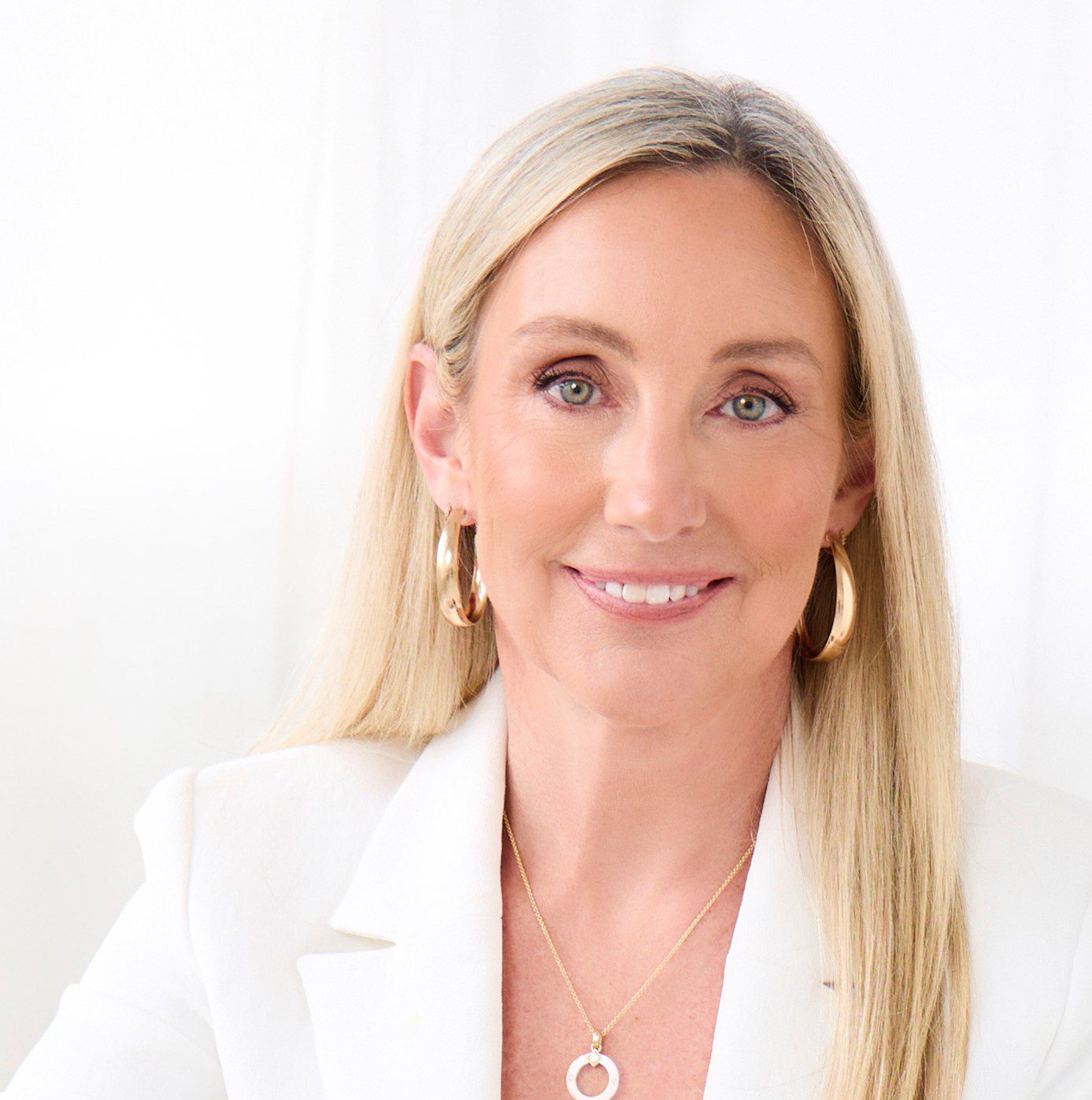
Shannah Kennedy is a Melbourne-based Master Life Coach, Life Strategist, keynote speaker and eight-time bestselling author, and has run Shannah Kennedy Coaching since 2002.
“You are the asset. Protect the asset.”
Editor’s Note
Executives Diary first noticed Shannah Kennedy for one entry on her profile: an 800km Camino walk recorded as a career break. The editors chose her for the record behind it: a coaching practice since 2002, eight books with Penguin Random House, and a body of work built on a question most senior leaders leave unasked. Her answers to our questions are practical and personal at once, which is how she describes her coaching. This feature is written for the reader she names, the leader who looks successful on paper and is quietly asking what comes next.
Executives Diary, Editorial
Sources
Deloitte Insights, Advancing workforce well-being (Deloitte’s second Well-being at Work Survey, with Workplace Intelligence), 2023. https://www.deloitte.com/content/dam/insights/articles/2024/us176320_c-suite-well-being-report/di-c-suite-well-being-report.pdf