

From the Diary of
Patricia Poku-Christian
For anyone signing off on next year’s professional development: why the feel-good day is gone by Monday, and what a five-phase system asks of a district first.
“How a teacher shows up for themselves is how they teach a student to show up.”
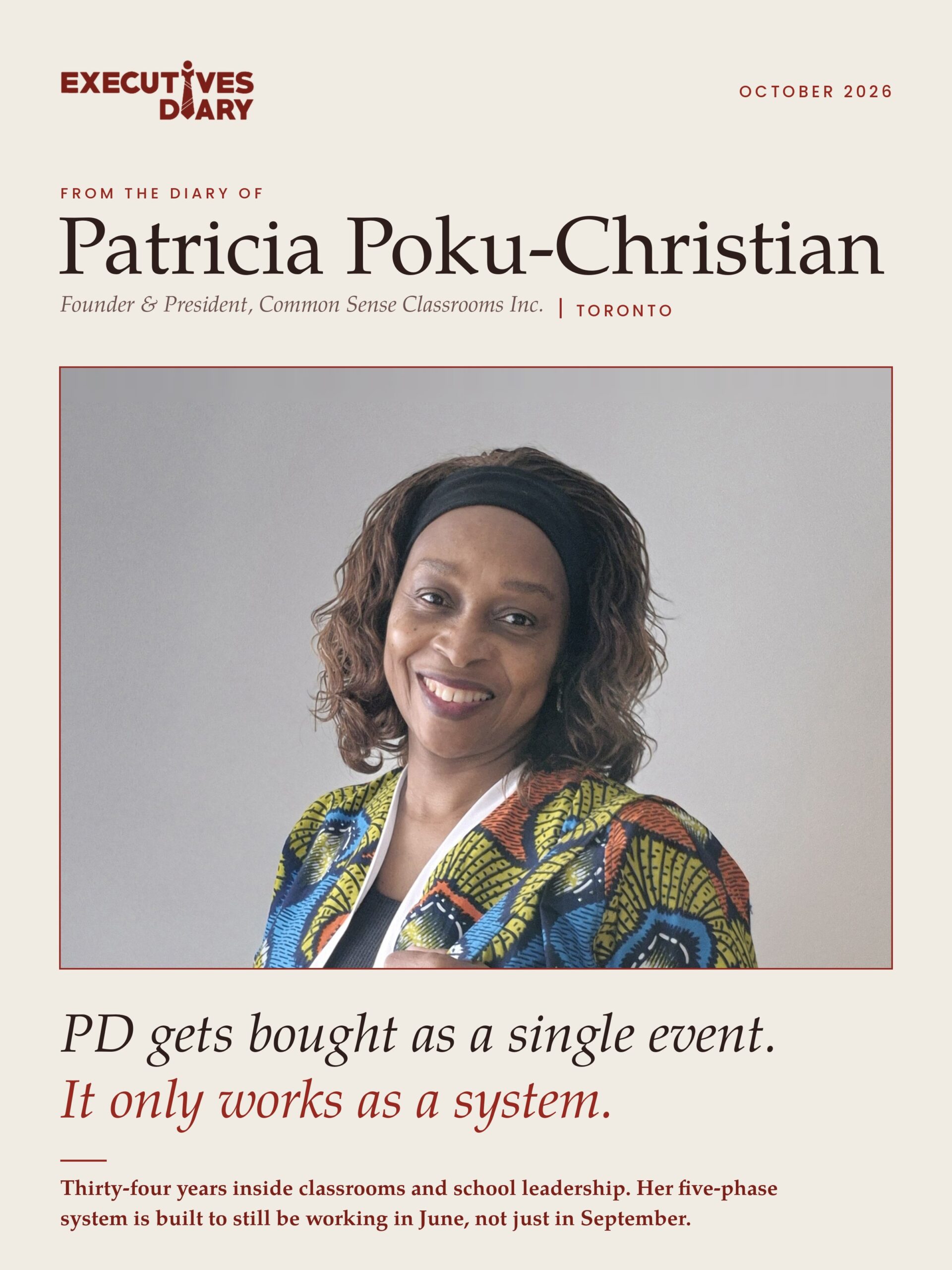
“Every school year opens with the same question in the boardroom,” Patricia Poku-Christian wrote on LinkedIn. “Not ‘what’s our budget for professional development.’ The real question is quieter than that: will this actually change anything.”
She knows who is asking it. It’s the district professional development lead, or the principal building next year’s PD calendar: the person who signs off on the workshop, “watches the room light up for a day, and then watches it go quiet by Monday and knows, even if no one says it out loud, that the money didn’t move the needle nearly enough.”
“The mistake is PD gets bought as a single event instead of a system,” she says. The room responds, people nod, someone claps, “and by Monday morning it has evaporated back into the same schedules, the same meetings, the same habits.”
The mistake is PD gets bought as a single event instead of a system.
The teachers in those rooms arrive stretched. In a survey of 300 Canadian teachers conducted by the Angus Reid Institute for Education Perfect’s 2026 Canada Teacher Experience Report, 69 per cent said they feel overwhelmed at least once a week.
Patricia spent 34 years inside that system, in classrooms and in school leadership, before she built what she offers now. She is the Founder & President of Common Sense Classrooms Inc., a speaking, coaching and educational consulting practice, and her answer for the person holding the PD budget is The Common Sense Exchange: five phases, from The Mirror to The Sustain, designed, in her words, “to still be working in June, not just in September.”
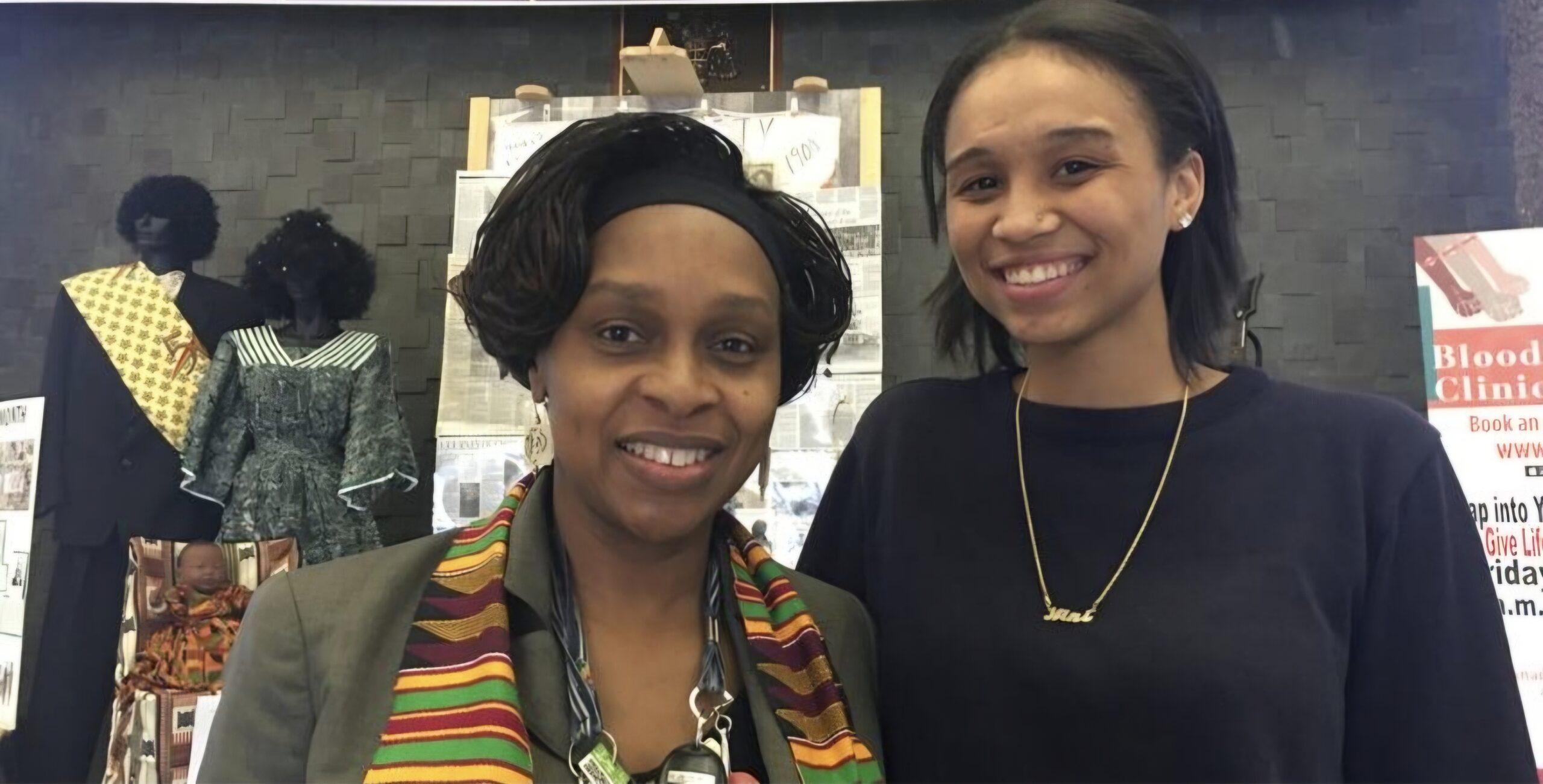
What the Workshop Doesn’t Reach
She is careful to be fair to the days that go further. “They bring interactive sessions, they send people home with extra tools, strategies, resources. That is good, and it matters,” she says. “But tools alone don’t reach the part of the teacher that decides whether to use them on a hard Tuesday in November.”
That part of the teacher is what The Common Sense Exchange is built around. She describes it as internal connection, reflection, and growth that ignites “not just the curiosity to try a new strategy, but the curiosity to stay curious about yourself.” And, she says, “a teacher anchored to themselves is the one who stays truly connected to their students, long after the workshop binder is closed.”
The gap she kept watching, across 34 years inside classrooms and school leadership, was always the same one: “districts investing in what teachers do, and almost never in who teachers are while they’re doing it.”

How a teacher shows up for themselves is how they teach a student to show up.
That is the line she wants under her name, and it comes from watching it happen both ways. She saw depleted teachers teach their students to be the same, “not through anything they said, but through how they were in the room.” And she saw the opposite: “teachers who did the internal work, who stayed curious about themselves, and their classrooms carried that same aliveness.”
She has put the same idea to teachers directly. “You don’t have to lose yourself to be a great teacher,” she wrote at the start of this school year. “But a teacher who has disappeared into the role has less to give, not more.”
So the first conversation she has with a district isn’t about a workshop.
The Conversation Most People Skip
“The first thing I tell them is: start with what’s already broken, not with what looks good on a flyer,” she says. Before any workshop is discussed, she wants to know what the district has already tried, what stuck, “and what quietly didn’t. Most people skip that conversation. I don’t.”
The Common Sense Exchange is the part of her work she’d want a stranger to find first, ahead of the keynotes and masterclasses. “It’s five phases, not just one day,” she says. And the thing she does that most people in her field don’t is lead with something other than the stage. “I don’t lead with the keynote. I lead with 34 years of having sat exactly where they’re sitting, in the classroom, in school leadership, watching PD dollars get spent and disappear.”
It’s five phases, not just one day.
Most consultants arrive from the outside looking in. I arrive from having lived inside it. That changes what I ask, what I notice, and what I build.
What that changes is easiest to see in one school.
A School of Around 80 Teachers
The school, which she keeps unnamed, had a staff of roughly 80 teachers and believed the bridge between teachers and students was solid. “On paper, it looked fine, curriculum was covered, the systems were in place.”
What she found underneath was different. “The teachers weren’t failing their students. They were overwhelmed, carrying testing demands and philosophical, pedagogical shifts that kept arriving faster than anyone could absorb them.” Students were slipping “into the cracks between lessons and learning. Not dramatically. Quietly.” When connection thins out, she says, it doesn’t stay quiet for long: discipline and attendance issues rise to the surface and pull the classroom further from learning.
What struck her most was that “these were genuinely great learners.” The teachers wanted to grow. But so much of their time was going into the newest framework and the newest mandate that almost none of it was going into learning about and from the students in front of them.
Over six weeks, that attention shifted: less energy spent chasing the next system, more spent in reflection and “really seeing the students who were already in the room.” She describes the exchange at the heart of it this way: when a teacher sees the student, “and opens up to learn from the student about the student, the student opens up fully in return, ready to receive and learn what the teacher brings to the table.”
That’s not a technique. That’s the connection The Common Sense Exchange was built to restore.
In that school, she says, “it manifests in increased attendance for BOTH teachers and students as well as reduced classroom discipline events.” Teacher attendance is where stress shows up across the country, too. In the same Education Perfect survey, 60 per cent of teachers who reported work-related stress had taken a sick or personal day because of it in the previous three months.
The 34 years behind that way of seeing were spent in four cities.
Montreal, Toronto, Detroit and Windsor
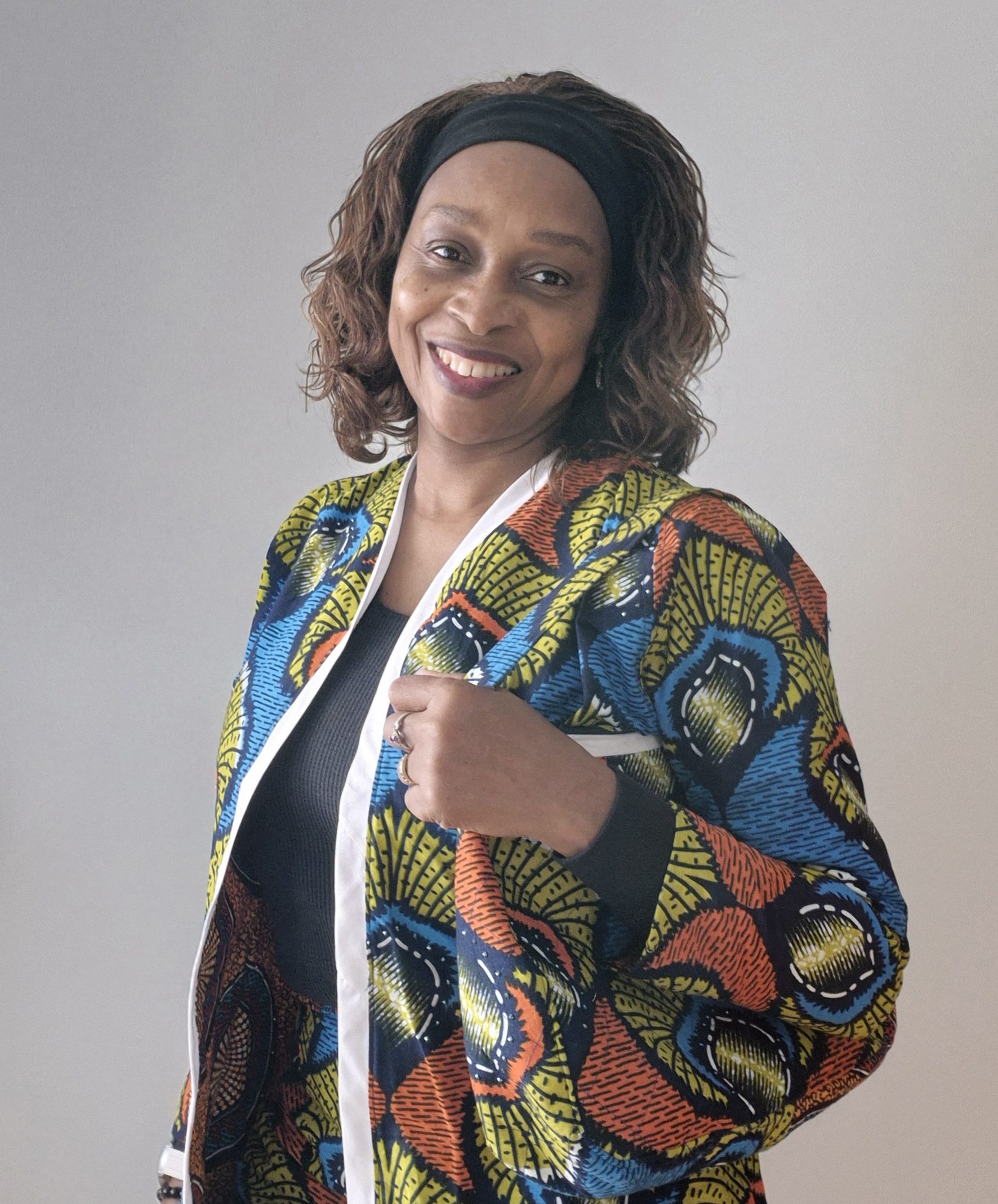
She is the eighth of nine children, raised in French Quebec by a single immigrant mother, and she taught in classrooms in Montreal, Toronto, Detroit and Windsor. She holds a Bachelor of Arts with an Early Childhood Specialization from Concordia University, a Master of Education in Bilingual-Bicultural Education from Wayne State University, and Principal Qualifications I & II from OISE and CPCO. “I’ve always been a curious, intentional, lifelong learner,” as she puts it on her profile.
The 34-year career ended in the same season as her 34-year marriage, in which she raised four children. She has written that she found herself starting over, rebuilding “not just my life, but my identity.” She is a featured speaker at the Top 100 Most Powerful Black Women Summit, where she delivers her masterclass Authenticity Clears the Path to Your Purpose. In May 2026, out of 7,000 applicants to The Next Top Speaker, her keynote One-Way Ticket Into The Unknown placed in the top 50 finalists.
The keynote’s title comes from a bus ride at 25.
A One-Way Ticket
“At 25 all I owned was a duffel bag, $250.00 and a one-way ticket into the unknown,” she has written. She left Montreal on a one-way midnight bus to Windsor, “depression riding beside me the whole way.”
Less than two weeks later, she woke in the middle of the night in sleep paralysis. “At sunrise that same day, I got on a crosstown bus straight to the local university’s psychologist’s office. Unannounced. Unprepared. I asked for help.”
That reach for help was frightening. It was also the most courageous thing I had done up to that point in my life (even more than parachuting at 21).
It is the reference point she wants to give others: “asking for help is a profound act of courage, especially when it rises out of the lowest place. You push through it one step at a time. One ask at a time.” If she could tear one page out of her life, she says, it would be that one, “but only to write the full chapter.”
The person who believed in her before she believed in herself was her eldest sister, also named Patricia, “a model of perfect love.” When she felt invisible and unlovable, her sister told her, often, how smart she was. “She said it before I had earned the right to believe it about myself,” Patricia says. “She is the reason I refuse to walk away from recycling the blessings that life has put in front of me.”
Where Patricia Is Now
Next is Kumasi, Ghana, “bringing The Common Sense Exchange to TEDxKNUST this November, alongside ‘Stepping Into The Unknown’ finding its way in front of the people holding the budget in GTA airwaves, school boards and corporate spaces.”
The people she most wants to reach are Ontario district PD leads, school board HR and curriculum departments, conference organizers in the Black excellence and diaspora speaking circuit, and TEDx-adjacent education audiences in Ghana. Her invitation to the first of them is plain: “If you’re planning PD for the year ahead, let’s talk before the calendar fills up.”
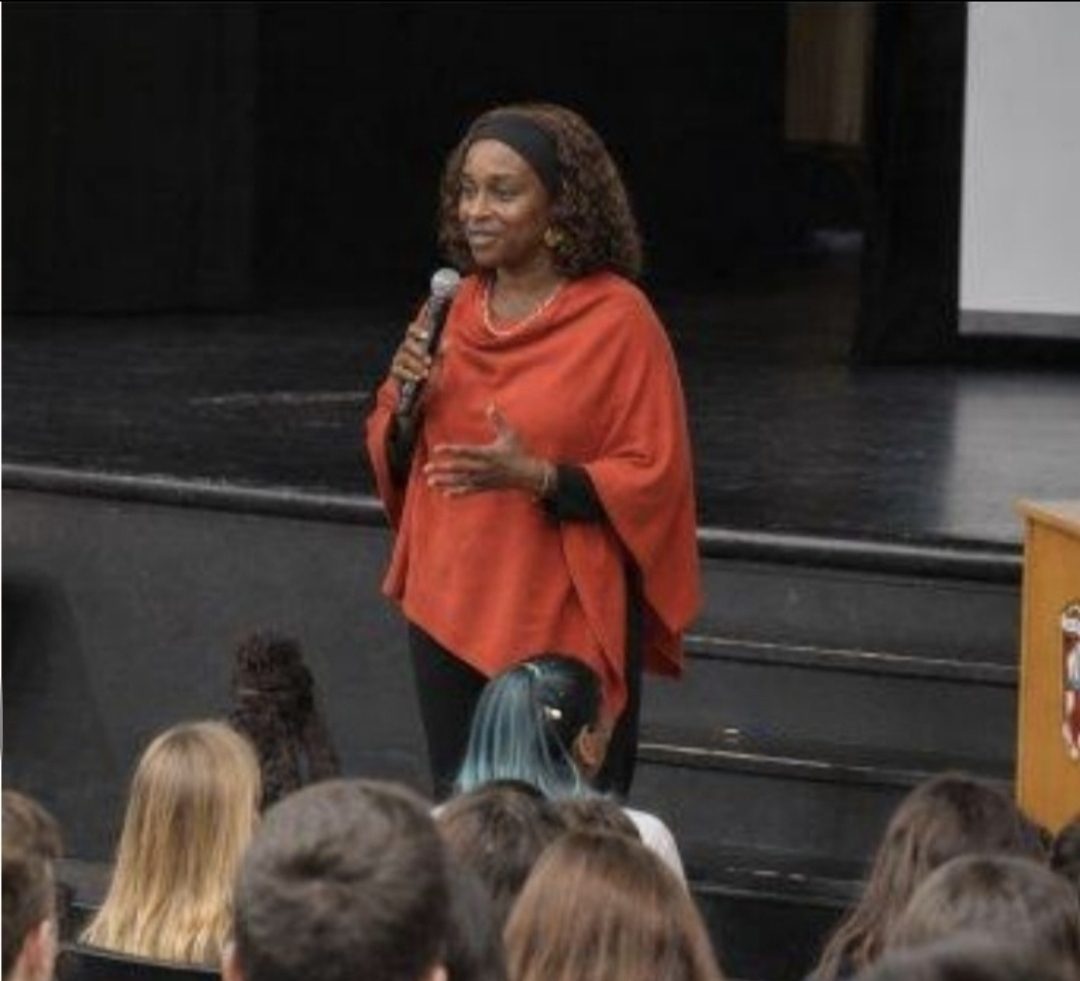
If you’re planning PD for the year ahead, let’s talk before the calendar fills up.
Outside the work, she is a mother of four, “navigating my own reinvention” after her career and her marriage ended in the same season. The practice she has built rests on two lines she returns to: “Your world is the classroom. Your life is the curriculum,” and “You’re not behind. You’re being prepared.”
Both apply to the people standing in front of thirty students every day, and to the leaders deciding what those people are given. “How you show up for yourself is the lesson,” she says, “whether or not it’s on the lesson plan.”
The Playbook
Five Lines from Patricia’s Diary
- “Start with what’s already broken, not with what looks good on a flyer.”
- “You cannot hand a student self-connection you haven’t built yourself.”
- “You don’t have to lose yourself to be a great teacher.”
- “The unknown reveals who you have been avoiding.”
- “Asking for help is a profound act of courage, especially when it rises out of the lowest place.”
