
The booking is becoming free. The reason for the trip is not. Here is where the value moved.
The parts of the job that used to justify a fee are the parts travelers now hand to a machine. Research. Itineraries. Transport planning. Budgets.
McKinsey reported this year that those rank among the most common things people ask generative AI to do when they plan a trip.
Sahara Rose De Vore has spent eight years arguing that this is not the emergency it looks like, and that the professionals who come out the other side will be the ones who stop selling the trip and start asking why the client wants to go.
Two numbers sit on either side of that argument. The US Bureau of Labor Statistics expects employment of travel agents to grow two percent between 2024 and 2034, slower than the average across all occupations. Spending on travel taken in pursuit of wellbeing reached 894 billion dollars in 2024, on the Global Wellness Institute’s count.
One of those lines is flat. The other is not. What follows is how De Vore reads the space between them, and what she tells travel professionals to do about it.
From the Diary of Sahara Rose De Vore
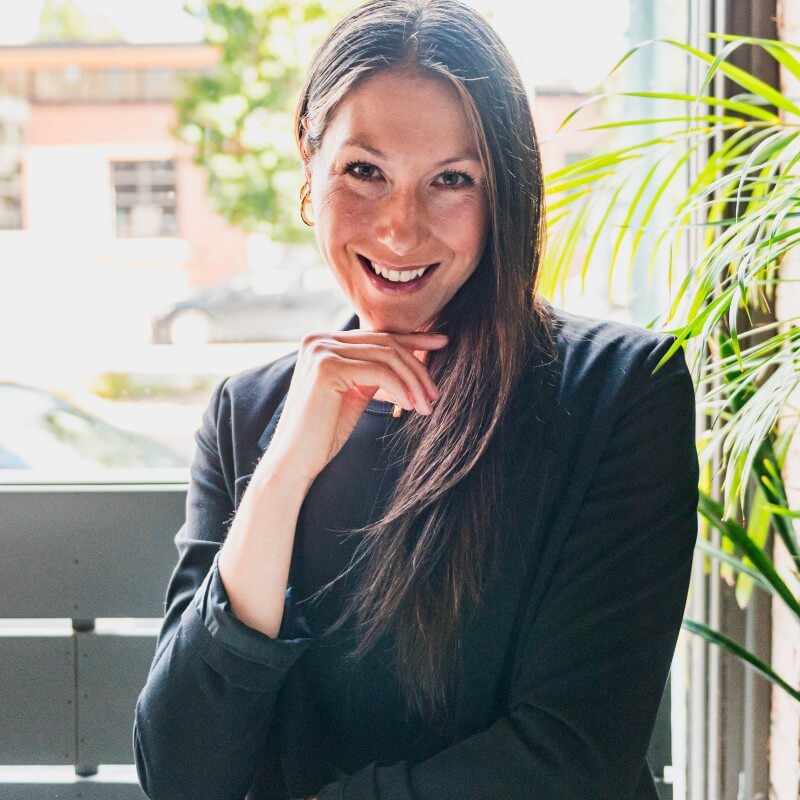
Sahara Rose De Vore is a Milwaukee-based travel coach and the Founder and CEO of The Travel Coach Network. The Travel Coach Network is a global community that certifies travel coaches around the world who have a shared belief that travel is a meaningful tool for healing, transformation, personal growth, and designing a purposeful life. She has worked as a global speaker for eight years, gave a TEDx talk in 2022 on how embracing travel can help build united communities, and was named one of the Most Influential Women in Travel by TravelPulse in 2023. The line she repeats is this one: “We need to stop seeing travel as just a vacation or a getaway.”
The Industry Handed You a List of Options
Tell someone you have a travel business and they will assume you sell trips.
De Vore has watched that assumption harden into a career ladder with one rung at the top. For decades, she wrote recently, the industry answered a passion for travel with a list of options, and the list opens with travel agent. Everything below it is a variation on the same job.
The consequence shows up in how the industry keeps score. In one post she set out what she sees: cookie-cutter imagery, surface-level questions at the planning stage, niches as broad as luxury, family, wellness and solo, and recognition given to the highest sales rather than the client transformation and outcomes.
The Travel Coach Network is not a travel agency. She says that often enough that it has become part of the pitch.
Travel plays a vital role in our lives as human beings. We turn to travel for a wide range of reasons whether it’s to help us navigate life’s many challenges, find answers to unformed questions that we have, heal in our own ways, rediscover ourselves, connect with others, gain a sense of belonging, or something more personal. The travel industry, for decades, has kept travel at a surface level with its categories and labels, making the marketing, planning, and booking phases also surface level.
Read that as a commercial problem rather than a philosophy. If the reasons people travel are that specific, and the questions asked at the point of sale are that general, the distance between the two is territory nobody has claimed.
What She Means by the Word Coach
The shortest true answer she gives is this. A travel coach, she says, “helps people better understand ‘why’ they want to travel, helps them make more intentional travel decisions, and helps them use travel as a means for healing, transformation, personal growth, and designing a purposeful life.”
Or, as she puts it on her profile: life coaching plus travel.
The definition came out of a decade spent alone on the road. De Vore visited eighty-four countries solo while researching what drives people to truly travel, and she credits that stretch with the certification program that followed. The Travel Coach Network now trains professionals in the method rather than practicing it for them, in English and in Spanish, with a separate course built for travel advisors who want coaching skills without leaving the advisory role.
She describes the flagship program as the first ICF-accredited certification for travel coaches.
The Questions That Come Before the Itinerary
Here is the part a reader can use this week.
Her objection to the word intentional, as the industry currently uses it, is that it has been quietly reduced to logistics. Being intentional does not mean checking off desired activities on an itinerary, she wrote. Setting intentions for a travel experience “stems far deeper than that, beginning with the traveler’s ‘why’ or motivation for the trip.”
So she gives coaches four questions to put to a client before anything is booked. What is causing this feeling for an escape or getaway? How do they want to feel during this trip? How do they want to feel when they return home? Who is this trip calling them to become?
Answer those and the practical decisions stop being guesswork. Where to go, how long to stay, whether to travel solo or join a group, how far outside the comfort zone to push: she treats all of it as downstream of the why, which is why the same client needs a different answer on the next trip.
There is a second move, and it costs the client nothing. She teaches that the ingredients travel supplies can be found closer to home: human connection, unfamiliar environments, a new skill, time outside the routine.
The Part the Machine Cannot Do
De Vore is not fighting the technology. She has written that she is not anti-technology, “of course, that’s silly,” and gives it credit for keeping travelers safe and unstranded. Her question is narrower than that. What is left for the human once the machine is good at everything else?
Travel is becoming increasingly commoditized, while the most valuable travel advisors are becoming increasingly consultative. In The Travel Coach Network, we believe that the next evolution of the tourism and hospitality leader isn’t simply someone who knows more destinations or suppliers. It’s someone who can help clients clarify what they actually want from their travel on a deeper level and then translate that into a meaningful experience.
Her reading is that automation clears the desk. As the comparing, the booking and the admin move to software, what is left is the interpersonal work: reading a client, hearing what they have not said, holding them to the answer they gave in the first conversation.
The professional’s remaining job, in her account, is to protect the conditions in which travel does its work. Leave room for serendipity. Treat destinations as playgrounds instead of strict itineraries. Let people get lost enough to find something.
Eight Hundred Coaches and an Industry That Will Not Move
The network holds more than 800 travel coaches from more than 41 countries. They are advisors, tour operators, retreat leaders, wellness experts and coaches who came from outside travel altogether, and what they have in common, she says, is a belief that travel is “a meaningful way to live life and a powerful tool for wellness and transformation.”
Her credentials sit where her argument does rather than where the industry’s prizes are. She is a speaker in The Forum, the Forbes Travel Guide speakers bureau, leads the membership and community committee at the Wellness Tourism Association, and sits on the board of advisors of The Hotel Guide. She has published a book, appeared in more than 350 media outlets, and taken commercial partnerships to her members through platforms including TourRadar and Stay22. One former client’s recommendation reads: “I highly recommend The Travel Coach Network. Sahara is so knowledgable in her role and helped me create a plan for my business going forward.”
None of it has made the case easy to sell.
There have been many challenging parts of starting and building the TCN into what it is today and where it’s headed. I have tried and failed a lot over the years. One of the hardest parts has been to get the travel agent industry as a whole to see the value of incorporating travel coaching into every travel advisor training and credentials. It’s a tough industry that has been very set in its way for a really long time.
What kept her at it was something she picked up sitting in an audience. At an Inc. Magazine Founder’s House event in Austin she listened to a run of founders name the same requirement for lasting: not product, community. She had already spent years building one. When Robin Ruiz and the Wellness Tourism Association handed her the membership and community committee, it was that experience they were after.
Where Sahara Is Now
She works from Milwaukee.
The Travel Coach Network certifies travel professionals, and also people outside the industry who want to build travel into work they already do, through programs run in English and Spanish. Away from the business she sits on the board of a Wisconsin nonprofit working on bullying in schools, where she co-wrote the business plan and trains student peer ambassadors, which is the same skill she sells: getting someone to name the thing underneath the thing.
Her forecast for the industry is a straightforward bet on what automation leaves behind. “As AI and tech continue to make space for travel advisors to focus on what they do best which is to provide meaningful travel experiences to their clients,” she says, “the skillset of interpersonal and soft skills is essential to enhancing that process and experience.”
The Sahara Rose De Vore Playbook: Five Moves for a Commoditized Market
- Ask why before where. Put the four motivation questions to a client before a single destination, date or budget is discussed.
- Stop competing on logistics. Research, comparison and itinerary building are the tasks travelers are already handing to software, so build your fee on the part they are not.
- Sell the outcome, not the trip. Price and describe your work by how the client wants to feel on return, which is the thing they actually came to buy.
- Bring travel into ordinary weeks. Coach clients to use connection, unfamiliar environments and new skills at home, so the value of your work does not end at the airport.
- Build the community before the product. Longevity in this industry comes from belonging, loyalty and trust, and those take years, so start them before you need them.