

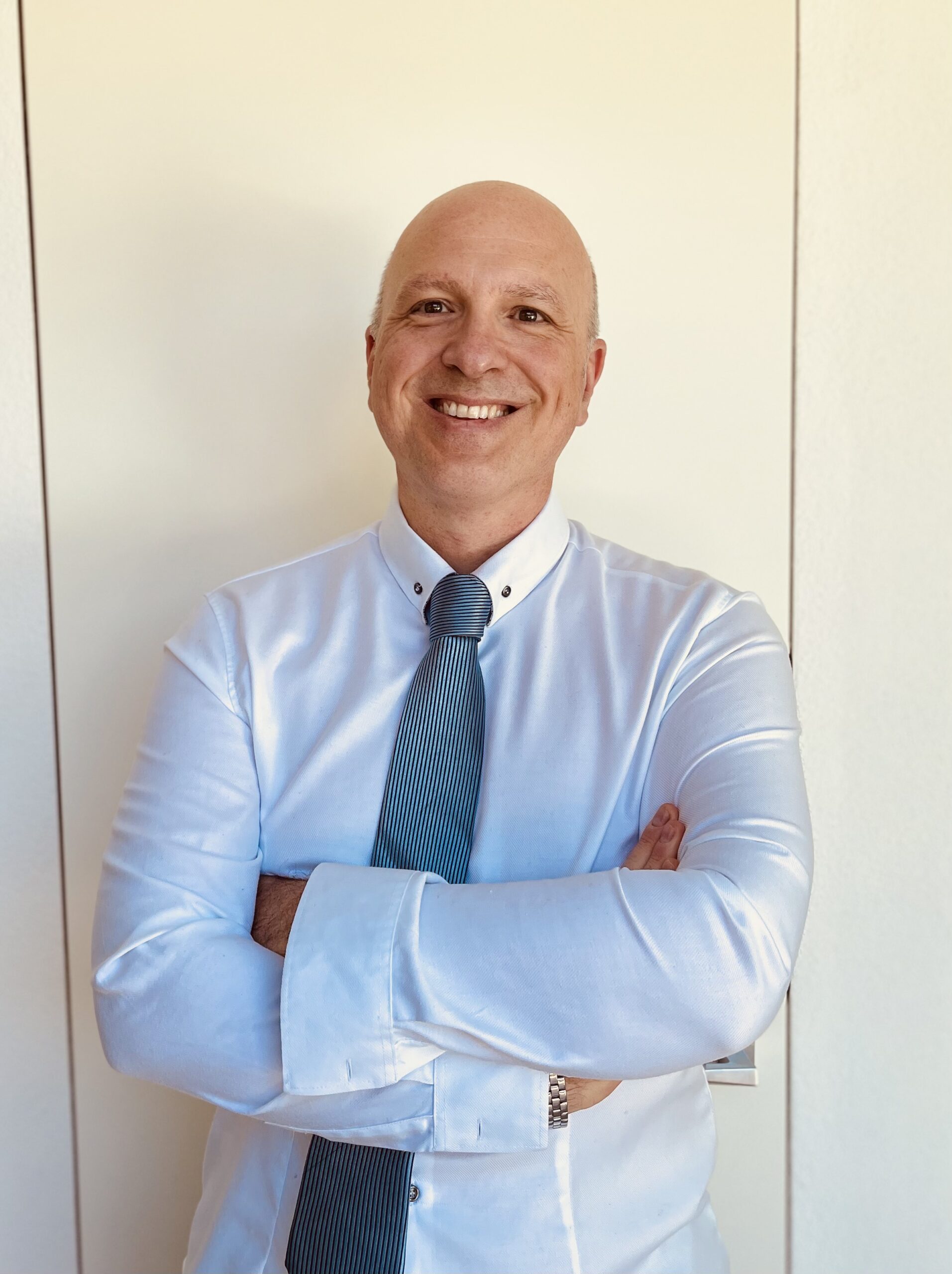
Pierpaolo Zara – Turning Clarity into Strategic Impact
Pierpaolo Zara is a Portfolio and PMO Leader with over 30 years of experience in European tier one banking. After leading large scale transformation, governance, and merger integration programs at institutions such as Credit Suisse and UBS, he founded AIDVANCE to help PMO and PPM professionals move from execution to strategic leadership. His work blends human judgment, AI enabled practices, and calm decision making under pressure.
Clarity is supposed to make organizations smarter. Yet Pierpaolo Zara has spent much of his career witnessing a quieter truth inside large institutions. Clarity alone does not change outcomes. Dashboards can be flawless. KPIs can be perfectly aligned. Risks can be clearly flagged. And still, nothing moves.
Early in his career, Pierpaolo watched a major financial organization invest heavily in a new portfolio management system. The rollout was extensive. Training was thorough. Compliance was high. Executives praised the visibility it created. At year end, the data clearly identified underperforming initiatives. Everyone acknowledged the findings. Then the next planning cycle arrived, and the same initiatives were funded again. The same risks resurfaced. The same teams carried the pressure.
Reflecting on moments like this, Pierpaolo later captured the lesson succinctly: “Without real strategy from the top, execution becomes decoration.” The tools worked. The processes held. What failed was the human willingness to turn insight into decision.
That realization did not make him cynical. It made him precise. Over more than three decades in tier one banking, Pierpaolo came to understand that the true value of a PMO lies not in producing clarity, but in ensuring clarity leads to action. And that work, he discovered, is never technical. It is human.
Learning Where Alignment Really Lives
Pierpaolo’s professional foundation was built at the intersection of economics, governance, and real world pressure. Educated in international economics at Università Ca’ Foscari Venezia, he entered financial services at a time when rigor, discipline, and execution were non negotiable. Over the years, he held senior PMO and portfolio leadership roles across Europe, including long tenures at Credit Suisse and UBS, as well as leadership assignments at ABN AMRO, BNP Paribas, and Fortis Bank.
His responsibilities included enterprise wide portfolio governance, regulatory driven transformation, post merger integration, and large scale operating model change involving thousands of people and hundreds of millions in investment. Yet what shaped him most was not the scale of the work. It was the behavior he observed under pressure.
In steering committees and executive rooms, Pierpaolo saw the same pattern repeat. Plans could be perfect. RAID logs could be immaculate. Reporting could be precise to the decimal. And yet, when stakes rose, clarity fractured. Leaders talked past one another while looking at the same data. Identity quietly overtook strategy. Fear hid behind analysis.
Through experience rather than theory, Pierpaolo arrived at a defining insight: “Governance only works when people feel aligned, not when documents look tidy.” The real work of PMO lives in the moments when tension is high and meaning is fragile. Once he understood that, he never again saw PMO as a process function. He saw it as a coherence function.
Leading When Decisions Are at Risk
As his career progressed, Pierpaolo was trusted with increasingly complex mandates. At Credit Suisse, he led global portfolio management offices overseeing multiyear transformation programs, compliance portfolios exceeding one hundred million Swiss francs, and enterprise wide governance frameworks spanning multiple divisions. At UBS, he played a key role in implementing portfolio governance during the post acquisition integration of Credit Suisse, coordinating strategy, funding, and capacity across large scale delivery units while maintaining continuity in a highly scrutinized environment.
In these roles, Pierpaolo became known not just for execution discipline, but for his ability to stabilize meaning before decisions were made. One moment in particular stands out. The organization received a top down mandate to reduce budgets by twenty percent. The instruction triggered panic and defensiveness across divisions. Every leader insisted their initiatives were essential. A flat cut would have damaged delivery and undermined strategy.
Pierpaolo understood that no prioritization model would work until the human tension was addressed. He stepped beyond formal PMO boundaries and met leaders individually. Together, they examined portfolios honestly. Fear surfaced. Tradeoffs became visible. Gradually, clarity replaced noise. Only then did he consolidate the data into a coherent narrative that leadership could act on.
Looking back, he reflects, “Alignment is not a meeting. It is a process of guiding people through uncertainty until they can see the same picture.” The organization closed the year within one percent of target, with no major initiative collapsing. More importantly, leaders learned that coherence does not come from slides. It comes from trust.
When the System Breaks
After more than thirty years in banking, Pierpaolo believed what many senior professionals quietly assume. Experience protects you. A strong track record, executive trust, and consistent delivery feel like stability. Then restructuring arrived. Not because of performance. Not because of cost. Leadership decisions at the top cascaded downward, and his role disappeared.
At first, he assumed it was temporary. Months passed. Silence followed. Rejections arrived without explanation. Doors closed for reasons that had nothing to do with competence. In that period, Pierpaolo confronted a difficult truth.
As he later articulated, “The system would not save me. I had to rebuild without waiting for external validation.”
That realization marked a turning point. He stopped trying to return to his previous identity and began shaping one aligned with the world as it is now. On LinkedIn, he started sharing insights he had long considered obvious. To his surprise, those reflections resonated deeply. Others were struggling with the same invisible tensions he had navigated for years.
Purpose emerged when he stopped speaking as a corporate professional and started speaking as a human being with clarity to offer.
Building AIDVANCE
That reinvention led to the founding of AIDVANCE in 2025. Based in Switzerland and serving clients across Europe, AIDVANCE was not designed as a technology consultancy. It was built as a human transformation platform for PMO and portfolio professionals navigating change, visibility, and leadership in an AI shaped world. In 2025, Pierpaolo was ranked number one in Switzerland on LinkedIn for Project Management and Career Coaching by Favikon, reflecting the resonance of his human first approach.
The name AIDVANCE reflects that philosophy. AI as an accelerator, advancement as direction, and ‘I advance’ as the personal commitment to move forward. Pierpaolo observed that most professionals do not struggle because they lack competence. They struggle because uncertainty erodes their sense of value.
AI became part of the solution, but never the center. Pierpaolo noticed a recurring pattern in organizations experimenting with automation and intelligence. Resistance was rarely about tools. It was about identity. As he explains, “People do not fear AI itself. They fear what AI might reveal about their value.”
When that fear is addressed, AI becomes an amplifier rather than a threat. Pierpaolo teaches leaders to use AI to remove mechanical work so they can focus on judgment, alignment, and presence. In his words, “AI should shrink the noise so humans can expand their impact.”
Through coaching, mentoring, and advisory work, Pierpaolo has helped professionals rebuild confidence after career disruption. Clients regain visibility, strengthen their narrative, and step into leadership conversations with calm and credibility. In these moments, he has witnessed a powerful truth.
“Your value is what remains when the badge is gone,” he often reminds those navigating transition. Titles fade quickly. Judgment, presence, and the ability to align others do not.
Vision for the Future
Looking ahead, Pierpaolo is focused on shaping how the next generation understands PMO leadership. He wants the profession to be seen not as administration or process enforcement, but as one of the most strategic functions in any organization. PMO is where coherence is protected, where decisions are shaped, and where complexity is translated into direction.
AI will continue to automate reporting, analysis, and routine coordination. What it cannot replace is human judgment, emotional intelligence, and the ability to guide alignment under pressure. Pierpaolo believes the PMOs who thrive will be those who combine clarity with courage, and technology with humanity.
His legacy ambition is simple. To open a path he did not have. A path where PMO professionals learn to think strategically, lead with calm, and use AI to amplify their impact rather than diminish their role. A path where sense making matters more than slide making, and alignment matters more than templates.
As Pierpaolo often reminds those he mentors, “AI may help you move faster. Your humanity will decide where you go.”