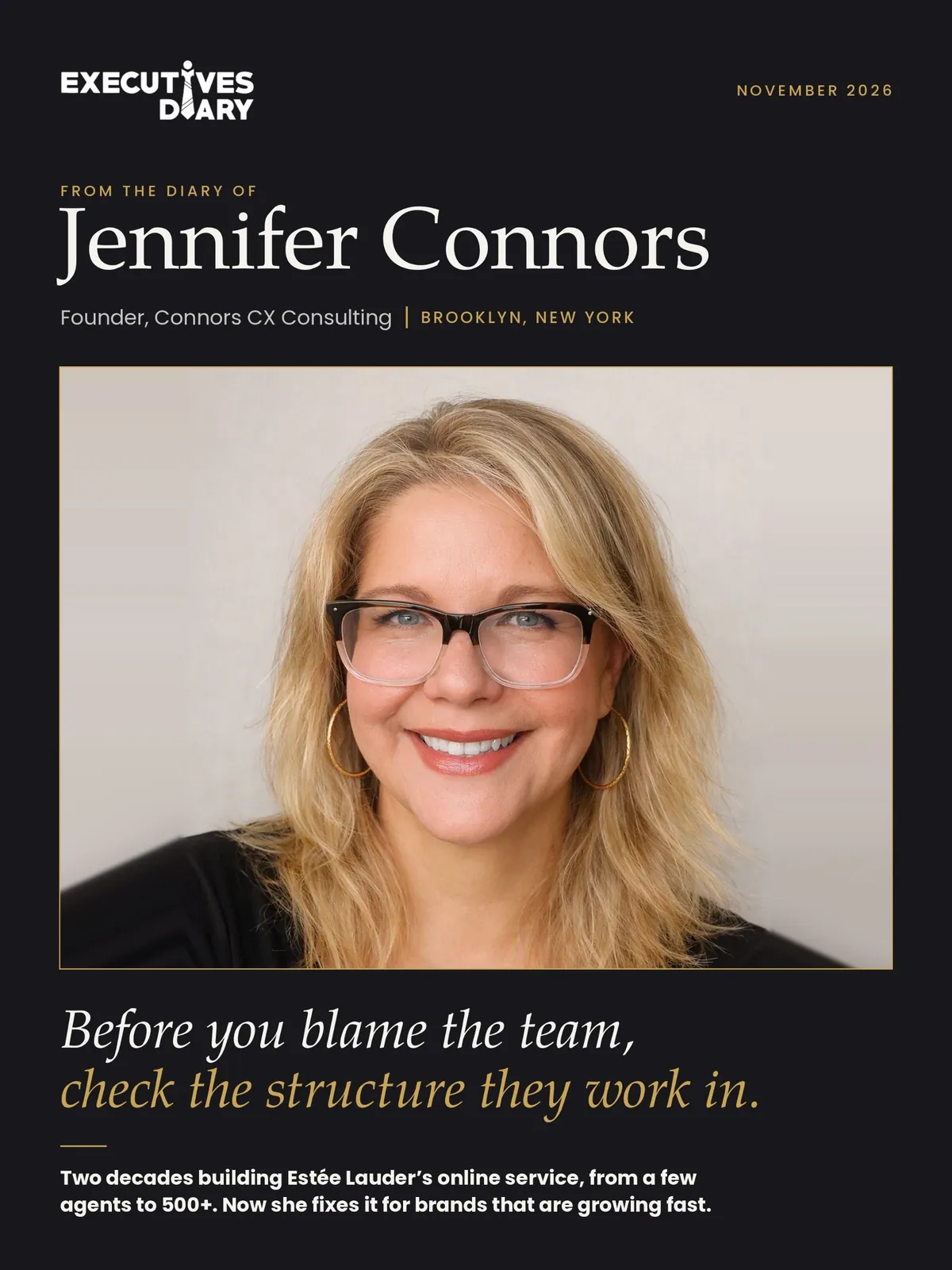
From the Diary of
Jennifer Connors
For the founder whose customer service is slipping as the business grows: an operator who built service at scale for two decades on where it breaks, and what she fixes first.
“Bespoke service is NOT a relic of the past.”
Every year, the peak holiday season brought the same pattern. The team was ramped up significantly to handle the volume, and, inevitably, service quality declined. Onboarding was inconsistent across teams and partners. Agents were improvising, because the documentation they needed lived in scattered “cheat sheets.” Handle times climbed, escalations rose and customer satisfaction dipped. Leadership could feel the symptoms but couldn’t see the root causes.
The leader responsible for understanding what was happening saw a clear pattern emerge: “When teams grow fast, service doesn’t break because people stop caring. It breaks because the systems stop supporting the people.”
It isn’t a rare problem. Forrester’s 2025 Customer Experience Index found that consumer perceptions of customer experience quality in the US and Canada had fallen for a fourth consecutive year, to a new all-time low, and the firm named weaker employee experience and disappointing technology implementations among the causes.
Jennifer Connors has spent her career building the systems that support the people. For more than twenty years at The Estée Lauder Companies, she built the quality, education and communications function behind its online customer service as it grew from a few agents and a couple of brands to more than 15 brands and teams of 500+. In her last role there, as Executive Director, she delivered $2.2M in annual savings and lifted first contact resolution to 80% from around 60%. From Brooklyn, she now runs Connors CX Consulting, known as CCX, a boutique consultancy that brings the same work to scaling consumer brands, nonprofits and mission-driven organizations as a fractional CX and operations leader, an adviser or on a project.

What She Does First
When service starts slipping, her first move is the same. “I always start with clarity, understanding the truth of the situation, no matter how challenging,” she says. In the holiday case, that meant reviewing the top contact drivers, auditing the documentation, listening to calls and mapping where information lived. “It became clear that the issue wasn’t talent, it was structure.”
It became clear that the issue wasn’t talent, it was structure.
The fix followed from that finding. She replaced every cheat sheet with a unified documentation system built to scale, and set up daily leadership and training syncs to keep everyone aligned through the peak. Agents had one source of truth, and leaders could see what was actually happening. Customer satisfaction improved, handle time came down and escalations dropped.
“Most importantly: the team felt confident again,” she says. “They weren’t guessing. They were equipped.” The same principle sits under the phrase she uses most often about her work.
What Bespoke Means in Practice
“Bespoke service is NOT a relic of the past,” she wrote in October, after IMPAKT NYC. Bespoke, for her, is service that treats people “as individuals rather than data points.” Asked what that means in practice, she answered the way she would to a client.
Bespoke service comes from systems that make care, clarity, and consistency possible at scale. When service feels personal, it’s because the brand has made intentional choices: strong training, empowered agents, clear workflows, and a culture that values humanity.
She attaches a condition. High-volume environments, she says, “can absolutely deliver elevated, individualized experiences, but only when the operational backbone is built to support them.”
She applies the same view to technology. “Technology should be doing the heavy lifting,” she has written, “while humans stay fully in charge of meaning, nuance, and warmth.” Customers, for their part, are wary. In a Gartner survey published in 2024, 64% of customers said they would prefer companies didn’t use AI for customer service, and difficulty reaching a person was among their top concerns.
She has also written about the small version of the problem. Picking up an ice cream order she had placed through an app, she found it ready, with a handwritten note on the bag, but the person at the counter hadn’t been trained to mark it as ready and couldn’t verify it was hers. “The technology worked,” she wrote, and the experience still broke at the moment that should have been simple. Her takeaway was that great service isn’t only about care or intention, but about giving people the tools and training to make it feel easy for everyone. She built those tools and that training herself, starting from nothing.
From Lead Agent to Executive Director
Her first role at Estée Lauder, in 2004, was customer service lead for its online customers. “I started as a lead agent in an environment with no training structure, no onboarding, and no quality framework,” she says. Being asked to build the department, she says, “was the moment I realized I wasn’t just good at service, I was good at building systems that make service excellent.”
From 2006 she built the Quality and Education team for the company’s online customer service in North America, creating the programs, resources and tools that trained and developed several hundred internal and third-party agents. She became Director in 2014 and, in 2019, Executive Director of Customer Experience Quality, Education and Communications, leading a team of managers and working with Operations, Marketing, IT, E-commerce and regional leadership to turn strategy into programs, workflows and tools for 500+ agents.
That role was her second turn. “I became the person who could translate complexity into clarity, the one who understood both the customer and the agent experience,” she says. “Every major initiative needed that voice, and it shaped how I lead today.” The record from those years is specific.
The Numbers, and a Hard Year
Her recent results include $2.2M in annual savings from leading full Salesforce adoption and consolidating global vendor support, customer satisfaction lifted to 85% or above from the low 80s, quality up 4% year over year to 97%, first contact resolution up to 80% from about 60%, and new-hire retention up 13%. A unified documentation strategy cut handle time by about 4%, and with a structured escalation management process, manager-level escalations reduced by more than 30%.
“These numbers aren’t accidents,” she says. “They’re the result of clarity, structure, and systems that let people do their best work.”
These numbers aren’t accidents.
One stretch tested that more than the rest. During a major transformation, her role was being phased out while she was responsible for delivering a high-stakes, enterprise-wide system implementation. “I focused on the work, delivered it on time and within budget, and proved that clarity and leadership matter even when circumstances are uncertain,” she says. How she led through it goes back to one person.
The Boss Who Shaped How She Leads
“My boss of 18 years always led by example by showing unwavering humanity to her team,” she says. “They say you don’t work for a company; you work for your boss and in this case I really saw that to be true.”
The support and care she showed me while I was going through hard times personally shaped the way I’ve led my teams. Happy teams create happy customers.
The other place that shaped her was outside the office. From 2005 to 2016 she was director of the Brooklyn Children’s Holiday Fund, coordinating grassroots events and fundraising that provided gifts, clothing, winter coats and food to more than 100 homeless children in Brooklyn each year. “My years running the Brooklyn Children’s Holiday Fund shaped me profoundly as a leader,” she says. “That work taught me that meaningful service, no matter the environment, is rooted in dignity, care, and community.” Her third turn brought the two sides of that experience together.
Why She Started Connors CX
“After delivering enterprise-level transformation, I knew I wanted to bring that level of rigor and humanity to smaller, mission-driven brands,” she says. “CCX is the natural extension of everything I built.”
The practice works through fractional leadership, advisory support and project-based engagements, helping organizations strengthen training, quality, operations and cross-functional alignment, especially during periods of rapid growth or transformation. As she puts it on her profile, she is “especially drawn to organizations where service, community, and purpose matter.” This year, that practice is what she is building.
Where Jennifer Is Now
Connors CX is her focus. The engagements she wants next are fractional CX and operations leadership roles, and the client she most wants to hear from is, in her words, “a founder or CEO of a fast-growing consumer brand who knows their customer experience is cracking under growth and wants a seasoned operator who can bring clarity, structure, and humanity back into the business.” Her aim for the firm is to be “the boutique partner for brands that want to grow without losing the soul of their service, or the humanity behind it.”
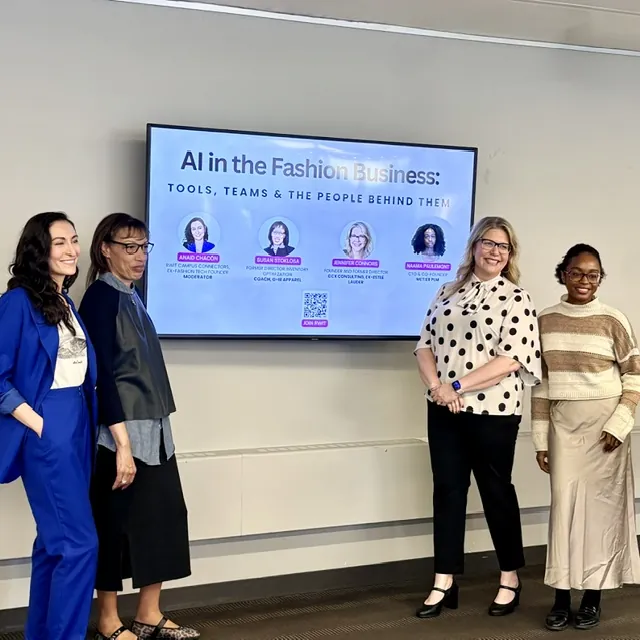
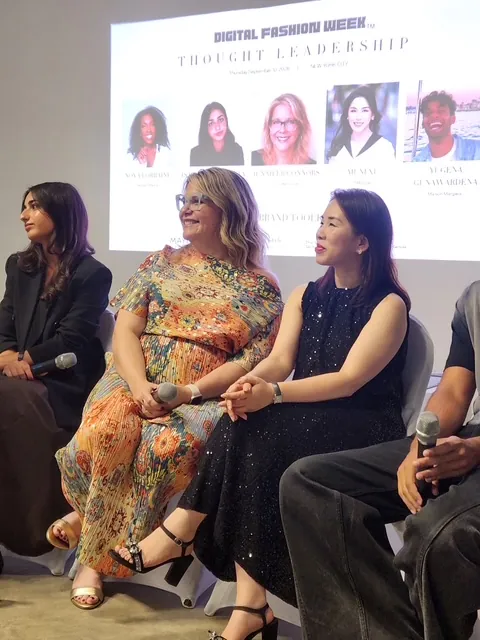
She is also speaking on CX, operations and human-centered service design. In September she sat on the Brand Toolkit panel at Digital Fashion Week NYC, bringing the CX and operations perspective to a conversation about AI, digital workflows and the tools brands rely on. In October she co-hosted a Beauty Tech Walk in Central Park, a morning walk-and-talk for founders, operators and creators in beauty. At events like these, she has written, what stands out is that the conversation is about the work she has spent years doing: building CX and operational foundations that let teams create experiences that feel crafted rather than automated.
Through all of it, she keeps a line she credits to Fernando Sabino: “Everything will be okay in the end. If it’s not okay, it’s not the end.”
The Playbook
The Jennifer Connors Playbook: Keeping Service Human Through Growth
- Start with the truth of the situation. Review the top contact drivers, audit the documentation, listen to calls and map where information lives, however challenging the picture.
- Check the structure before the talent. When service slips under growth, look first at whether the systems still support the people.
- Replace the cheat sheets with one source of truth. A unified documentation system that scales means agents stop improvising.
- Sync leadership and training daily through the peak. Alignment matters most when volume is highest.
- Let technology do the heavy lifting. Keep people fully in charge of meaning, nuance and warmth.
Sources
Forrester, “Customer Experience Quality In The US Falls To An(other) All-Time Low,” 2025, https://www.forrester.com/blogs/cx-index-2025-results
Forrester, “Forrester’s 2025 Global Customer Experience Index Rankings,” press release, 2025, https://www.forrester.com/press-newsroom/forrester-global-customer-experience-index-2025-rankings
Gartner, “Gartner Survey Finds 64% of Customers Would Prefer That Companies Didn’t Use AI For Customer Service,” 2024, https://www.gartner.com/en/newsroom/press-releases/2024-07-09-gartner-survey-finds-64-percent-of-customers-would-prefer-that-companies-didnt-use-ai-for-customer-service