

Lucy Black on why the founders with the best missions so often go unseen, and what changes when they tell the story themselves.
He had, in Lucy Black’s words, “the biggest heart and most beautiful purpose led project”, and he could not easily explain his mission. He obsessed over getting scripts written to explain what he did. He hired an actor to try to explain it to camera for his social channels. Three years went by in what Lucy calls “procrastination and set up”.
Then he spent half a day with her. “After working with me for a half day session he felt comfortable to be interviewed in a podcast style shoot,” she says. The clips were his own words, unscripted. “When shared online he picked up more leads and partnerships than he had in the 3 years of procrastination and set up.”
His is not a rare shape of problem. The Charity Commission’s 2026 research on public trust found that a charity “making a real difference” now matters to 51 per cent of people when they decide whether to trust it, up from 45 per cent a year earlier, and that donors are protecting their gifts for the causes where they can see the impact.
Lucy is the founder of Bright Cause Consultancy, which gives purpose-led founders, CICs and charities strategic advice, bold campaign planning and visibility, and of BrightIAM Studios, which she describes as “a purpose led media company”. With her videographer, Oliver Kingsley, she runs the Visibility Edit, for the client whose work is good and is not getting seen. Her answer to the man with the actor is the same one she gives everyone. “When people are working on a mission that means something deep and personal to them, they are by far the best person to talk about the project or plans.”
“I empower people to be the storytellers of their own projects even if they are camera shy. Storytelling is the oldest and most human skill we have.”
What happens in a Visibility Edit
“We start with strategy,” she says. “I always meet my clients in person and have taken flights to make this happen.” In the room she wants four things: the mission, the offering, the ideal client and what the client wants to happen. Then she makes connections, often from her own network, and writes a strategy and a shoot list for uncovering the key messages. Sometimes that means bringing in other people, clients and staff. Sometimes it means filming on location, or a podcast-style recording to capture what she calls raw and real conversations.
The shoot list goes to the client. Then she briefs Oliver. “We understand each other and my vision is translated,” she says. “On set on the day both myself and my videographer support the team and we do not leave until we know we have captured the right shots, clips and feel for the client.” Within two weeks of the edit the client has the lot: full podcast sessions, podcast-style clips, b-roll, brand videos, talking-head clips and lifestyle photography. Most clients, she says, come back every quarter to keep building the bank of assets.
Her reasoning is short. She has seen first hand what turning up authentically does, and in her view it is the raw human that converts now, not the over-rehearsed version and not the perfect AI reply. Visibility, as she puts it, is not vanity but strategy, and you have to be findable to be found.
Sarah McBrearty, founder of Included 3D Education, wrote on LinkedIn after Lucy interviewed her on camera: “I wasn’t quite sure what to expect from being interviewed on camera, but talking to Lucy felt completely natural. She put me at ease straight away.”
The method has a longer test case than a half-day shoot.
Roof of Africa
Asked for the evidence, Lucy gives one project. “Be bold. Move with an exciting concept and one strong visible idea,” she says. “The Roof of Africa documentary was born from visibility and authentic storytelling.” From the idea through the recruitment of the climbers, she made a podcast series, Impact at Altitude, to tell the climbers’ story. Those clips and full recordings, she says, “added depth and value to the campaign which in turn meant more people saw, donated, became involved and doors opened”.
The risk she took was public. “I took a risk and announced the film before we had funding in,” she says. “I believed that I could get sponsors on board and this belief and purpose (plus hard work and my connections) made the vision possible.” The campaign became, in her words, a movement, with milestones and events spread over eighteen months, all of them photographed and recorded, raising funds for a cause she says has touched so many hearts: bullying.
“Slowly more and more people saw the opportunities joining the campaign could bring them. Rooted in purpose, each and every sponsor joined something important.”
Lucy, Founder, Bright Cause Consultancy
In early September she wrote that in less than a month she would be standing in the Battersea Power Station cinema hosting the VIP premiere of the documentary she produced, two hundred guests, “a film born from an idea”. The lesson she took from it, she wrote, was this: “You don’t always need to know exactly how you’re going to get there. You just need the courage to begin and the conviction to keep going.”
The belief that sponsors would come was not a guess. She had spent years on the other side of the ask.
The other side of the ask
Lucy joined Rockinghorse Children’s Charity in Brighton in April 2023 as a Trust Fundraiser and became its Fundraising Manager the following year. Her profile records that she increased income from trust and foundation applications by 25 per cent and secured large grants from warm and cold donors. “Rockinghorse set the tone for a well run charity organisation,” she says, “and it showed me the hold ups in the charity systems in the UK.”
In January 2025 she moved to Kidscape as Head of Income Generation and Partnerships, leading on diversifying income, campaigns and partnerships. “Kidscape gave me the chance to run with a bold idea,” she says. She left that May and set up Bright Cause Consultancy on her own.
What did bringing the money in teach her that an adviser who has only advised would miss? “Stewardship,” she says. “Taking funders and investors on a journey. Understanding who they are, why they care and listening to their ‘why’.” She calls herself a relationship-based fundraiser, and she credits her degree, a first-class BSc (Hons) in Forensic Psychology from The Open University, with “a natural interest in people, purpose and changing the world”. Fundraising and investment, she says, are a two-way thing: everyone has to win, and the balance should be equal.
“I don’t ask for funding or help, I invite people to join something that their hearts cannot say no to and at the end, we become friends for life because it works for both parties.”
Lucy, Founder, Bright Cause Consultancy
The same Charity Commission research points the same way. Of the people who gave to a charity, more than a third had heard of it through friends or family, ahead of social media, adverts or the charity’s own website.
The habit of bringing people together goes back further than the charity years.
Before the charities
In 2007 Lucy joined Rush Hair in Brighton as the receptionist of a 54-salon group. Within six months she was a Salon Manager, and within a year she had taken her salon from the least profitable in the group to the most profitable. “I did this by bringing the staff together and uniting them around a cause,” she says. The group gave her its company-wide Newcomer of the Year Award and promoted her to Operational Area Manager. “Rush hair gave me the skills to lead teams and create projects and change people believed in and wanted to be part of.”
From 2013 to 2018 she ran Hobjoins Barn in Steyning, West Sussex. It began as a gallery and fundraising hub and grew into a family business selling furniture and hosting events: life drawing classes, open evenings and Christmas markets that raised money for St Barnabas House hospice. She then gained listed planning permission and project-managed the barn’s conversion into a home.
None of that came with a script.
No scripts
“I don’t do scripts,” she says. “I’ll prepare, research, think, obsess over the important bits… but when the moment comes, I want to be present.” Whether she is on a stage, in a room or in front of a camera, “I want the real person to turn up. No rehearsed version. No corporate robot. No pretending I have all the answers.” And she is, she says, “almost certainly going to say, ‘Right, but what if we did it completely differently?’”
That was the message she took to the Campaign Stage at Ideas Fest this September: personality is the strategy, built in public. “This is me,” she wrote beforehand. “It’s how I live and it’s brought me so many blessings and opportunities along the way.”
It has not all landed. “I’ve had plenty,” she says of the hard moments. “Probably the biggest lesson has been learning that not every room, relationship or opportunity is worth fighting to stay in.” There have been times when something she had poured everything into didn’t work, or people she trusted let her down. “My instinct used to be to work harder and try to fix it. Now I ask a different question: is this actually mine to fix? Sometimes the most powerful thing you can do is walk away, take the lesson, and build something better.”
Asked who shaped how she works, she gives one answer. “My mum. She taught me resilience without ever turning it into a motivational speech. She was one of those people who just got on with things, found a way through and kept going.” Then: “Losing her changed me. It made me much more conscious of how quickly life moves and how little time we actually have to live somebody else’s version of it. That’s probably why I’m so bloody determined to do things my way now.”
She knows how that looks from the outside. “The people closest to me see the risks. I see the opportunities,” she wrote in August. “We are both right.” Her summary of eighteen months in business: “First you are mad, and then you’re lucky.”
Where Lucy Is Now
Bright Cause Consultancy is seventeen months old. Lucy is taking bookings for Visibility Edits and clients for creative strategy sessions,. BrightIAM Studios soft-launches at the premiere later this month with a slate of original IPs looking for partners, sponsors and investors to move screen, campaign and streaming projects forward. The BrightIAM Podcast, which she hosts, is “real, unfiltered conversations with purpose led people, founders, creatives, celebrities, and change-makers”. The readers she most wants are start-ups and entrepreneurs in the purpose-led space, and the investors who back projects with purpose at their heart.
Outside work, one thing belongs in the piece. “My children,” she says. “They’ve grown up alongside all of this. They’ve seen the businesses, the chaos, the big ideas, the failures, the reinventions and me repeatedly turning up. They are my why. I want them to see that your life isn’t something that happens to you. You can craft it, change it. You can leave things that no longer fit. You can build something new. And you can do it while dancing around the kitchen and swearing occasionally.”
Her line on what is next is the one she would want quoted. “I’m building a media company around stories with purpose, while continuing to build a life and body of work that I’m bloody proud of.”
Five Lines from Lucy’s Diary
“Visibility isn’t vanity. It’s business.”“I don’t do scripts.”“Is this actually mine to fix?”“First you are mad, and then you’re lucky.”“Storytelling is the oldest and most human skill we have.”
From the Diary of Lucy Black
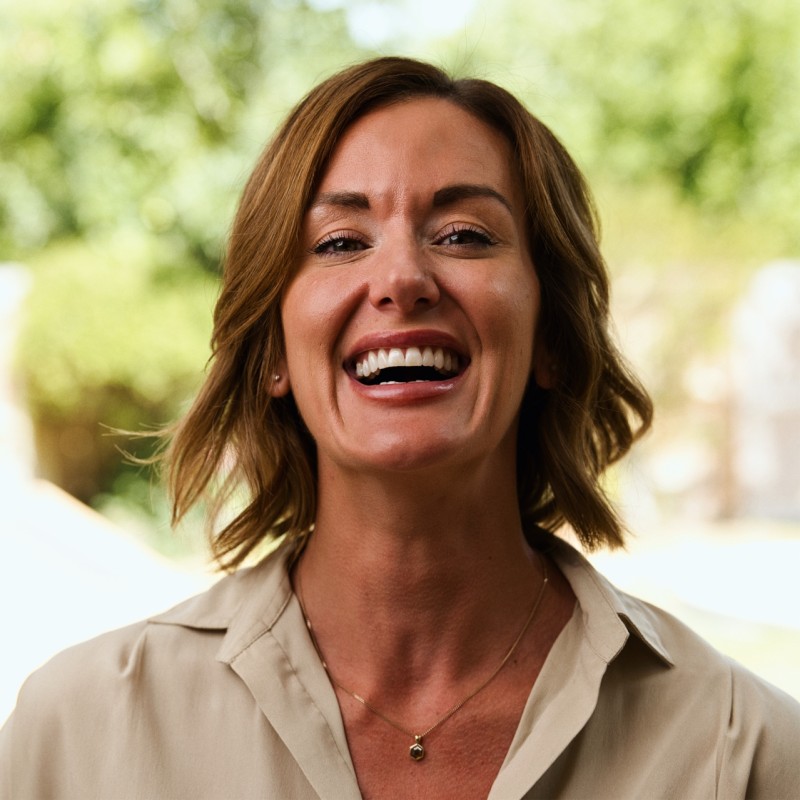
Lucy Black is a Brighton-based visibility expert and the founder of Bright Cause Consultancy and BrightIAM Studios.
| Role | Founder and Director, Bright Cause Consultancy. Founder, BrightIAM Studios. Host, BrightIAM Podcast |
| Based in | Brighton, England |
| Previously with | Kidscape (2025). Rockinghorse Children’s Charity (2023 to 2025). Rush Hair (2007 to 2009) |
| Also with | Hobjoins Barn, Steyning (2013 to 2018) |
“Visibility isn’t vanity. It’s business.”
Editor’s Note
Executives Diary features Lucy Black because she has worked both sides of the visibility problem: the years bringing money in at Rockinghorse Children’s Charity and Kidscape, and now a consultancy and a studio that put purpose-led founders on camera in their own words. The Roof of Africa documentary, announced before its funding was in and premiering this month, is the case that convinces the editors. Her answers arrive the way she speaks, without a script, and the piece keeps them that way.
Executives Diary, Editorial
