

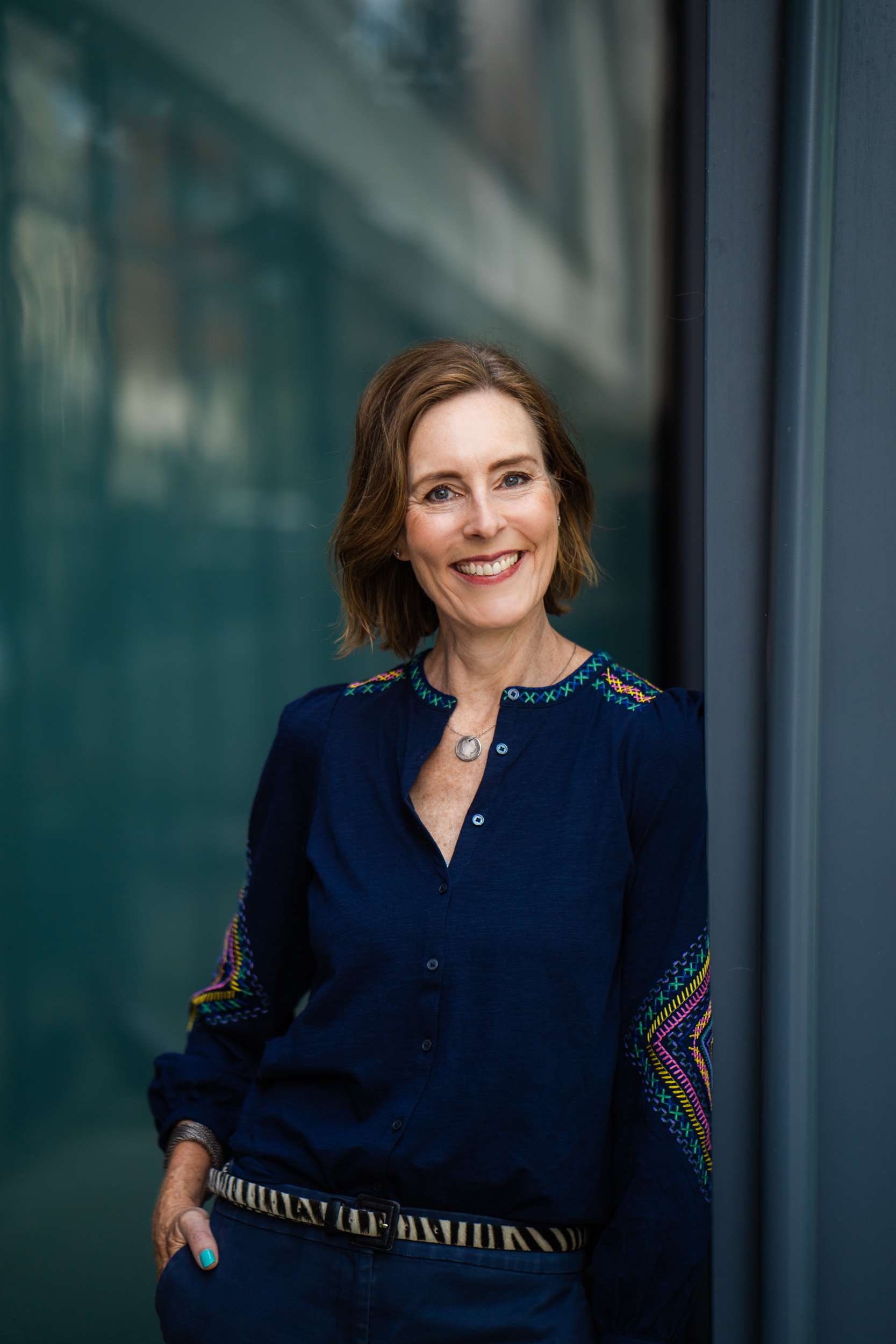
Sheila Smith based in East Grinstead, United Kingdom is the founder of BeHomed, an innovative rent-to-own business created to help renters become homeowners while providing landlords with a smoother way to exit the rental market. Drawing on years of property investment experience and a career built around solving complex challenges, she designs practical solutions that create better outcomes for tenant buyers, landlords, developers, and investors. Her work is rooted in the belief that financial empowerment begins with creating opportunities that work for everyone involved. Through BeHomed, she is helping reshape the journey to homeownership by offering a structured pathway that bridges the gap between renting and buying. Guided by a commitment to building stronger financial futures, Sheila is focused on creating meaningful, long-term impact, one home and one family at a time.
A young couple has steady jobs. They pay their rent on time every month. They budget carefully, avoid unnecessary debt and have spent years saving what they can. By every practical measure, they are ready to own a home. Yet when they approach a lender, the answer is no.
Perhaps the deposit is still too small. Perhaps one partner has recently become self-employed. Perhaps the lending criteria have shifted again. Whatever the reason, the outcome is the same. They can comfortably afford the monthly cost of homeownership, but they cannot cross the final threshold.
Across the country, another story is unfolding. A landlord has decided it is time to sell. They want a smooth exit from the rental market without months of uncertainty, expensive void periods or the pressure of accepting an offer below the property’s value. Most people see two completely different challenges. One belongs to aspiring homeowners. The other belongs to property owners.
Sheila Smith sees something else entirely. She sees a housing system that no longer reflects the realities of modern life. For years, she has been asking a deceptively simple question: what if these aren’t separate problems at all? What if they are different symptoms of the same outdated system?
That question would eventually become the foundation of BeHomed, but it began long before property entered her life.
Looking Beyond the Obvious
Some people build businesses around opportunities. Others build them around frustrations they have experienced themselves. Sheila belongs to a smaller group. She builds them around questions.
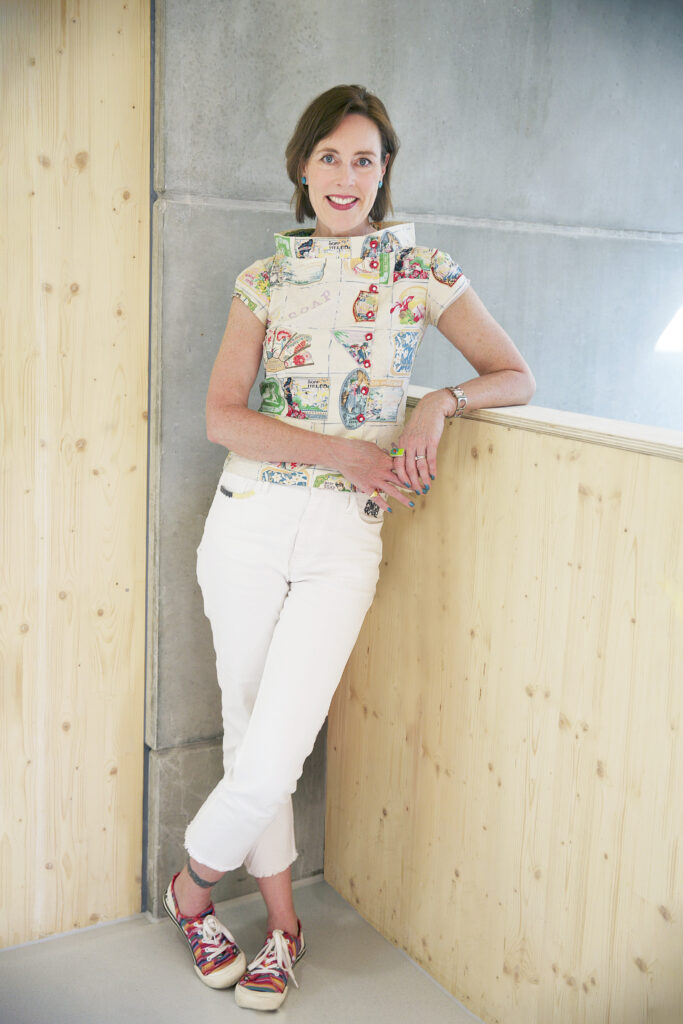
Throughout her career, she has been less interested in accepting how things work than in understanding why they work that way in the first place. It is a way of thinking that has carried her across industries, countries and disciplines, connecting experiences that, on the surface, appear unrelated. As she reflects today, the pattern seems obvious. “I’ve always been fascinated by why things work the way they do and, more importantly, how they could work better. Looking back, that curiosity has shaped every stage of my career.” That curiosity has become the thread connecting everything she has built. Today, Sheila is the founder of BeHomed, an innovative business creating alternative pathways into homeownership by connecting landlords who want to sell with renters who want to buy.
The model is designed to create better outcomes not only for aspiring homeowners, but also for landlords, developers and investors.
Yet reducing her work to property would miss the bigger story. At its heart, BeHomed is not simply about buying houses. It’s about redesigning systems so they work better for the people they were created to serve.
Learning to Design Around People
Long before she was thinking about housing, Sheila was learning how people make decisions. After growing up in the United Kingdom, she spent fourteen years living, studying, and working in the United States. Experiencing two different cultures and business environments challenged the idea that every problem has only one solution. Approaches considered unconventional in one country were often already well established in another.
Sheila reflects, “Experiencing life and business in two different countries taught me that there is rarely only one way of solving a problem. What seems impossible in one place may already be commonplace somewhere else.”
That perspective shaped an international career in graphic design, branding, and strategic communications, working with organizations across New York, Washington, D.C., Bermuda, London, and the UK. Whether developing identities for global businesses, creating editorial publications, or helping organizations communicate more effectively, Sheila kept returning to the same principle: the strongest solutions begin with understanding people.
Sheila shares, “People often think design is about making things look beautiful, but the best design is really about understanding people, simplifying complexity, and creating better experiences.”
Over time, she realized she had never been designing logos, publications, or brands alone. She had been learning how systems influence behavior. That insight would later prove more valuable than any individual project. Because when Sheila eventually entered the property sector, she did not see houses first. She saw people navigating a system that had become increasingly difficult to understand, and she began wondering whether it could be designed differently.
When the Housing Problem Became Personal
For years, Sheila approached challenges as a designer. She observed, asked questions and looked for patterns that others often overlooked. But it was her own experience of the housing market that transformed an intellectual curiosity into a personal mission.
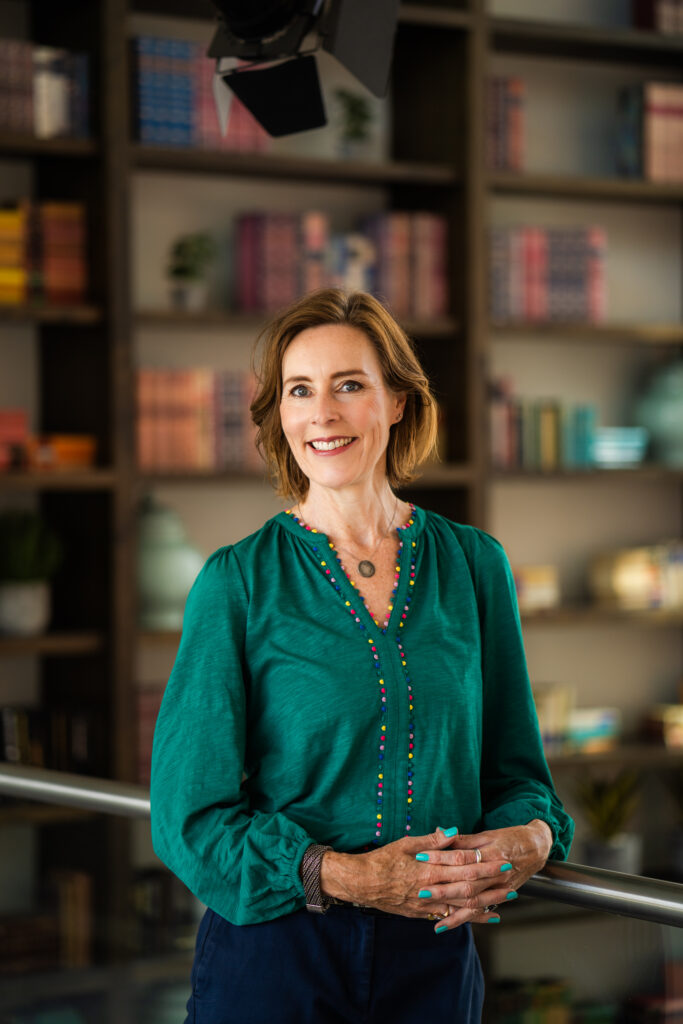
While renting, she found a home where she felt settled. Then everything changed with a single conversation. The owners were returning from Australia, and the property she had called home would soon no longer be hers. It was an experience shared by thousands of renters every year, yet living through it offered a different perspective. No matter how responsible a tenant might be, there was always an underlying uncertainty. Stability often depended on circumstances beyond their control. Years earlier, before they had even met, Matt had faced a different version of the same challenge. Like many aspiring homeowners, he moved back in with his parents to save for a deposit. He was doing everything expected of him, yet the journey towards buying a home remained frustratingly slow.
Years later, Sheila became a homeowner herself at the age of forty-six. Rather than bringing closure to those earlier experiences, it prompted a new way of thinking. Why were so many financially responsible people still unable to own a home? The more she reflected on her own journey, the less she believed the answer lay with individuals. It lay with the system itself.
Seeing Both Sides of the Story
That perspective deepened as Sheila expanded her own property investment business. Through Lumin Property Ltd, she renovated, rented and managed homes, giving her first-hand insight into the realities of being a landlord. The experience revealed challenges that were rarely part of the wider public conversation. Many landlords wanted to sell, but the process was often more complicated than expected. Finding the right buyer could take months. Empty properties generated no income. Ongoing maintenance continued to add costs. Even after deciding to exit the market, uncertainty frequently remained.
Listening to those conversations, Sheila noticed something that others seemed to miss. Renters felt trapped because they couldn’t buy. Landlords felt trapped because selling wasn’t always straightforward. Most discussions focused on solving one problem or the other. Sheila began asking whether both could be solved together.
“Most people saw two unrelated problems. I saw an opportunity to redesign the journey.”
It was a deceptively simple insight, but one that challenged a long-held assumption. The future of homeownership isn’t about asking people to fit the system. It’s about creating better pathways to homeownership. That same philosophy would later lead Sheila to launch HOTELSTER. As she listened to the market, she realised that some higher-value homes simply weren’t the right fit for rent-to-own, as there were naturally fewer tenant buyers looking at that price point.
Rather than trying to force every property into the same model, she created a different solution that gives landlords the certainty of a lease with an agreed purchase at the end, while operating the property as luxury serviced accommodation. The experience reinforced something Sheila had come to believe strongly: people are different, markets evolve, and the best businesses don’t force people into systems. They redesign systems around people instead.
Looking Outside the UK for Answers
One of Sheila’s greatest advantages was that she had already experienced another way of thinking. During her years living in the United States, she became familiar with rent-to-own as an established route into homeownership. While it was not the right solution for everyone, it offered a practical bridge for people who could afford a home but needed more time before qualifying for a traditional mortgage.
Returning to Britain, she was struck by the contrast. The UK housing market was becoming increasingly difficult for first-time buyers, yet alternative pathways remained limited and often poorly understood. Rather than asking why the existing system wasn’t working, Sheila asked a different question. What if proven ideas from elsewhere could be thoughtfully adapted to meet the needs of today’s UK market?
She immersed herself in research, explored different business models and drew on her own experiences as both a renter and a landlord. Gradually, the pieces began to fit together. She wasn’t trying to reinvent homeownership. She was trying to redesign the journey towards it. That distinction would become the foundation of everything she built next.
Creating a Different Path Forward
When Sheila launched BeHomed, she wasn’t setting out to create another property company. She was responding to a question that had been evolving for years. How do you create a system that works for everyone involved?
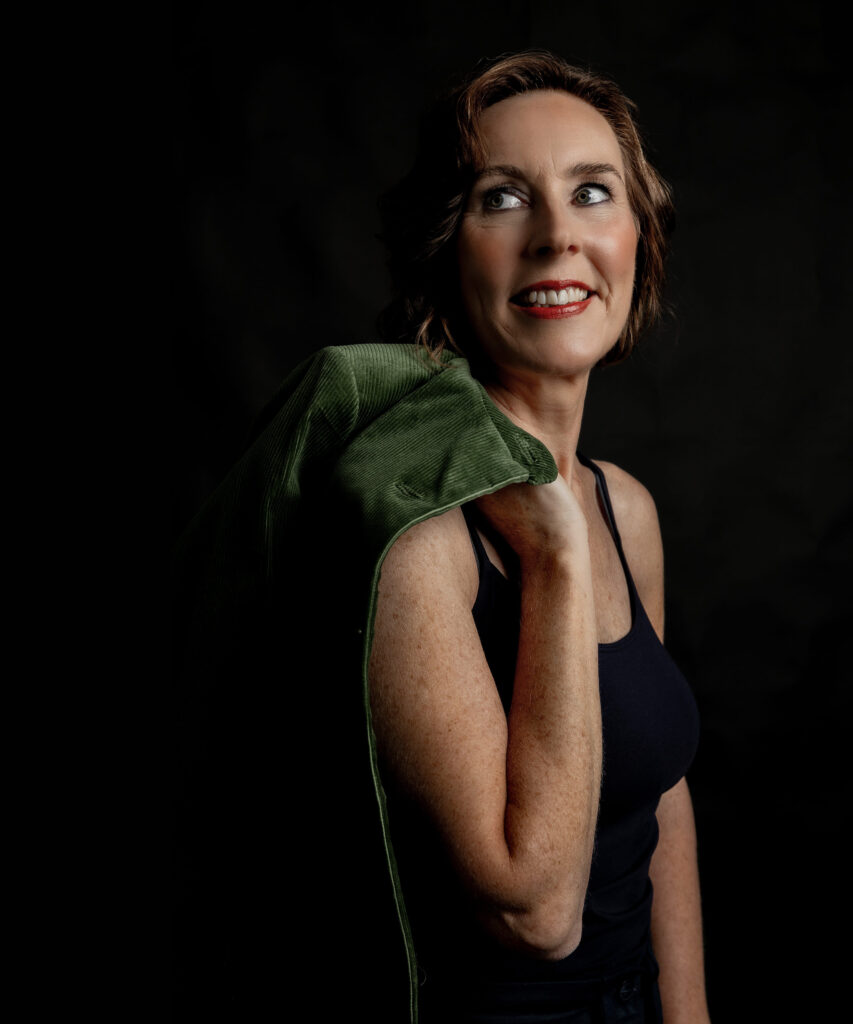
The answer was a carefully structured rent-to-own model that brings together people whose goals naturally complement one another rather than compete. Aspiring homeowners are given time to prepare for a mortgage while living in the property they intend to purchase. Landlords who are ready to sell gain a planned route out of the rental market. Developers can create value from completed homes that might otherwise remain unsold, while investors have the opportunity to participate in projects designed to deliver both commercial returns and meaningful social impact.
For Sheila, these are not separate outcomes. They are different parts of the same solution. As she often explains, the goal has never been simply to help people buy houses. It has been to create opportunities that build financial independence for everyone involved, because when systems are designed around people instead of processes, entirely new possibilities begin to emerge.
Beyond Property: Building Financial Confidence
Ask Sheila Smith what BeHomed does, and she is unlikely to begin by talking about property. She is more likely to talk about confidence. Over the years, she has come to believe that homeownership is more than an end goal. It’s a stepping stone towards financial confidence, long-term security and the belief that a different future is possible.
Too often, she says, conversations about housing focus solely on affordability. Yet affordability is only one part of the picture. Many people earn enough to manage monthly payments but remain excluded because they lack the deposit, the right guidance or a clear pathway forward. That is why education sits alongside property in Sheila’s vision.
Sheila shares, “Financial education isn’t a luxury, it’s a necessity. And it’s life-changing. The more we understand money, the more choices we have.”
For her, the relationship between financial confidence and homeownership is impossible to separate. One creates the conditions for the other. The more informed people become, the more options they begin to see. Decisions that once felt out of reach become achievable, not because circumstances change overnight, but because knowledge changes the way people approach them.
Homeownership, in that sense, becomes more than a transaction. It becomes a milestone on a much longer journey towards financial independence.
A Philosophy Shaped by Empowerment
The same belief extends beyond Sheila’s work in property. As a Founding Member of Unleashed Women, and part of The Hunger Project UK, she has supported an organisation built on a simple but powerful idea: lasting change happens when people are empowered to create it themselves. The philosophy is often described as offering a hand up rather than a handout.
It is a principle that resonates deeply with Sheila because it mirrors the way she approaches business. Rather than solving problems for people, she believes in creating systems that allow people to solve problems for themselves. That thinking can be seen throughout BeHomed.
The business is not designed to replace traditional lending. Instead, it provides people with the structure, time and support needed to become mortgage-ready while moving towards long-term ownership. The objective is not dependency. It is independence.
“When people have financial confidence, they don’t just make better financial decisions. They experience less stress, greater resilience and more freedom to create the lives they want. Stronger individuals build stronger families, stronger communities and, ultimately, a stronger society.”
It is a perspective that places people, not property, at the centre of the conversation.
When an Idea Becomes a Conversation
As BeHomed has grown, so has interest in the thinking behind it. Coverage in publications including the London Evening Standard, Daily Express, GB News, This is Money (Daily Mail), Metro, Sussex World and other national and regional media has helped introduce the concept to a wider audience. Yet for Sheila, the most meaningful response has not come from headlines. It has come from the people who recognise themselves in the story. Families who have spent years believing homeownership was slipping further away. Landlords searching for a practical and predictable way to exit the rental market.
Developers looking for fresh ways to bring completed homes into use. The messages arriving after interviews and media appearances have reinforced something she suspected from the beginning. People are not simply looking for another property product. They are looking for a different way of thinking about homeownership. Reflecting on the response following one national feature, Sheila recalled hearing from people who felt, perhaps for the first time, that someone understood the challenges they had been facing.
“Landlords asking questions. People who feel stuck renting. Families saying, ‘This is exactly what we need.’ This is why I started BeHomed.”
For Sheila, those conversations matter because they suggest the discussion is beginning to shift, from asking who qualifies for homeownership to asking how the journey itself might be redesigned.
A Different Kind of Leadership
Although Sheila’s work today sits firmly within the property sector, her approach still reflects the mindset of a designer. She has never believed that successful businesses begin with products. They begin with people. Every aspiring homeowner has different ambitions. Every landlord has different priorities. Every investor and developer faces different opportunities and challenges. Rather than expecting everyone to fit neatly into the same framework, Sheila believes the starting point should always be understanding individual circumstances.
Sheila shares, “I never want to shoehorn people into a model simply because it’s the only one I offer.”
Listening, she believes, is not simply good customer service. It is good design. The strongest systems are flexible enough to respond to real lives rather than forcing people to adapt to rigid processes. That philosophy has remained remarkably consistent throughout Sheila’s career. Whether she was designing brands, building businesses or rethinking the pathway to homeownership, the underlying question has always been the same. How can this work better for the people it is meant to serve?
It is a question that continues to shape every decision she makes, and one that increasingly defines her contribution to the future of housing.
Looking Towards the Future
For Sheila Smith, BeHomed is only the beginning of a much bigger conversation. She believes the housing market is entering a period where traditional routes into homeownership will no longer be enough on their own. As lifestyles evolve, careers become less linear and lending criteria continue to tighten, she sees a growing need for solutions that reflect how people actually live rather than how systems were designed decades ago.
Her ambition is not simply to help more people buy homes. It is to help build an ecosystem where financial education, property, investment and opportunity work together to create lasting financial confidence.
“My vision has never been to build just another property company.”
Instead, she hopes BeHomed becomes part of a wider movement that encourages collaboration across the housing sector, bringing together landlords, developers, investors, financial professionals and aspiring homeowners in ways that create value for everyone involved. It is a vision grounded in practicality rather than disruption. She is not trying to replace the traditional property market. She is trying to build another bridge towards it.
As she explains,“I believe the future lies in creating more flexible pathways that reflect how people actually live today, rather than expecting people to fit systems that were designed for a different generation.”
For Sheila, innovation is not measured by how radically something changes an industry. It is measured by how many lives it improves.
More Than a Property Entrepreneur
It would be easy to describe Sheila Smith as a property investor, entrepreneur or founder. All of those titles are accurate. Yet none of them fully capture what distinguishes her work. At its core, her career has never been about property. It has been about systems. Whether working in branding, strategic design, property investment or financial empowerment, she has consistently approached challenges in the same way.
Rather than accepting existing models, she asks why they exist, who they serve and whether they could serve people better. That perspective has shaped every stage of her journey. Her years in design taught her how people experience systems. Her experiences as a renter and homeowner revealed where those systems break down. Her work as a landlord exposed the challenges on the other side of the equation. And BeHomed became the point where those experiences converged into a single idea.
The result is not simply a business. It is a different way of thinking about one of society’s most important milestones.
The Sheila Smith Playbook: 5 Lessons for Redesigning Systems That Work for People
- Start with the Problem, Not the Product: The most meaningful businesses are built by understanding real human challenges before designing solutions to address them.
- Question Assumptions Relentlessly: Innovation often begins by challenging long-standing beliefs and asking whether there is a better way to achieve the same outcome.
- Create Value for Everyone Involved: Sustainable business models don’t produce winners and losers, they align the interests of customers, partners and stakeholders so everyone benefits.
- Empower Through Education: Financial confidence is created through knowledge. Giving people the tools to make informed decisions builds lasting independence rather than short-term solutions.
- Design Around People, Not Processes: Systems should adapt to the realities of modern life. When businesses are built around how people actually live, meaningful and lasting change becomes possible.
Editorial Note
Sheila Smith is helping reshape the conversation around homeownership by applying systems thinking to one of today’s most pressing housing challenges. Through BeHomed, she combines expertise in design, property investment and financial empowerment to create pathways that reflect the realities of modern life. Her work is grounded in a simple belief: when we redesign systems around people, meaningful and lasting change becomes possible.
